
Full 25-point door and opener safety check with every visit - springs, cables, rollers, tracks, and your LiftMaster or Chamberlain opener included
You get a price before we start. It does not change when the truck arrives.
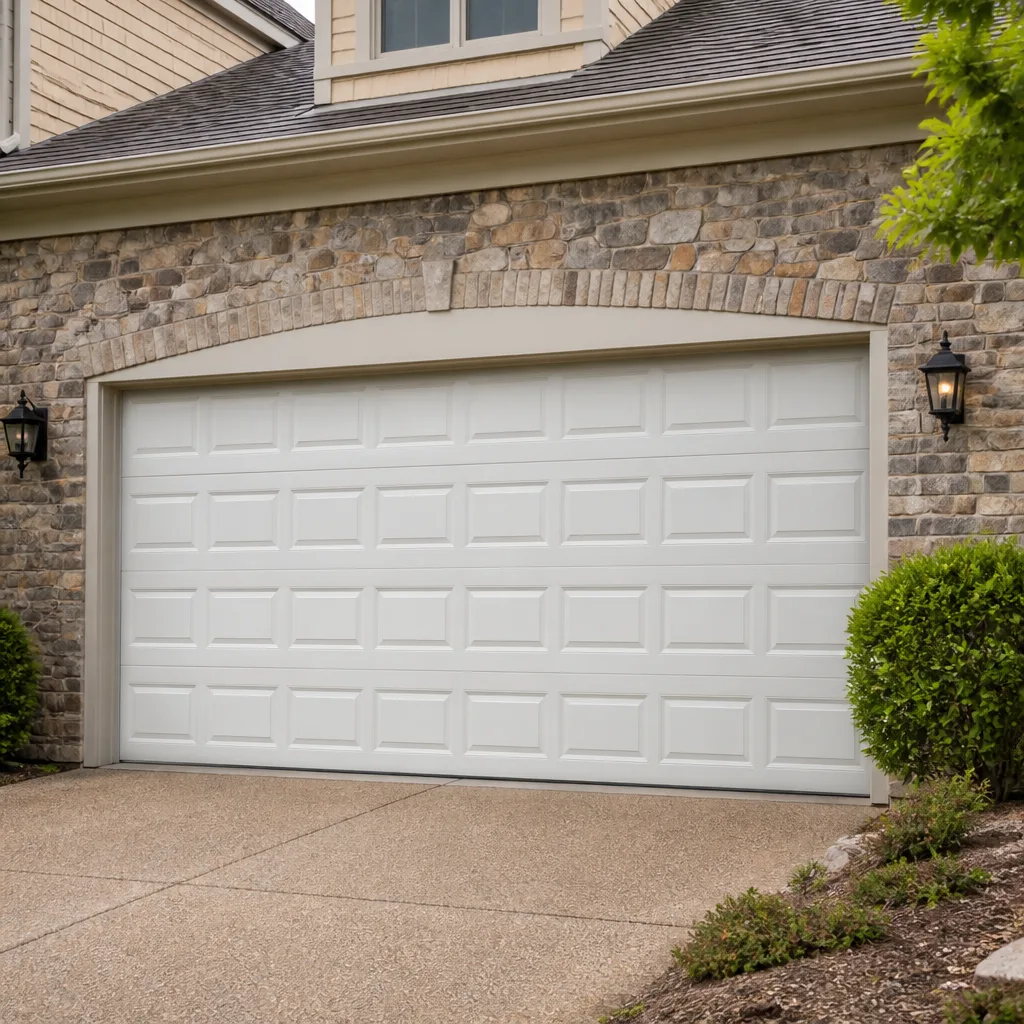
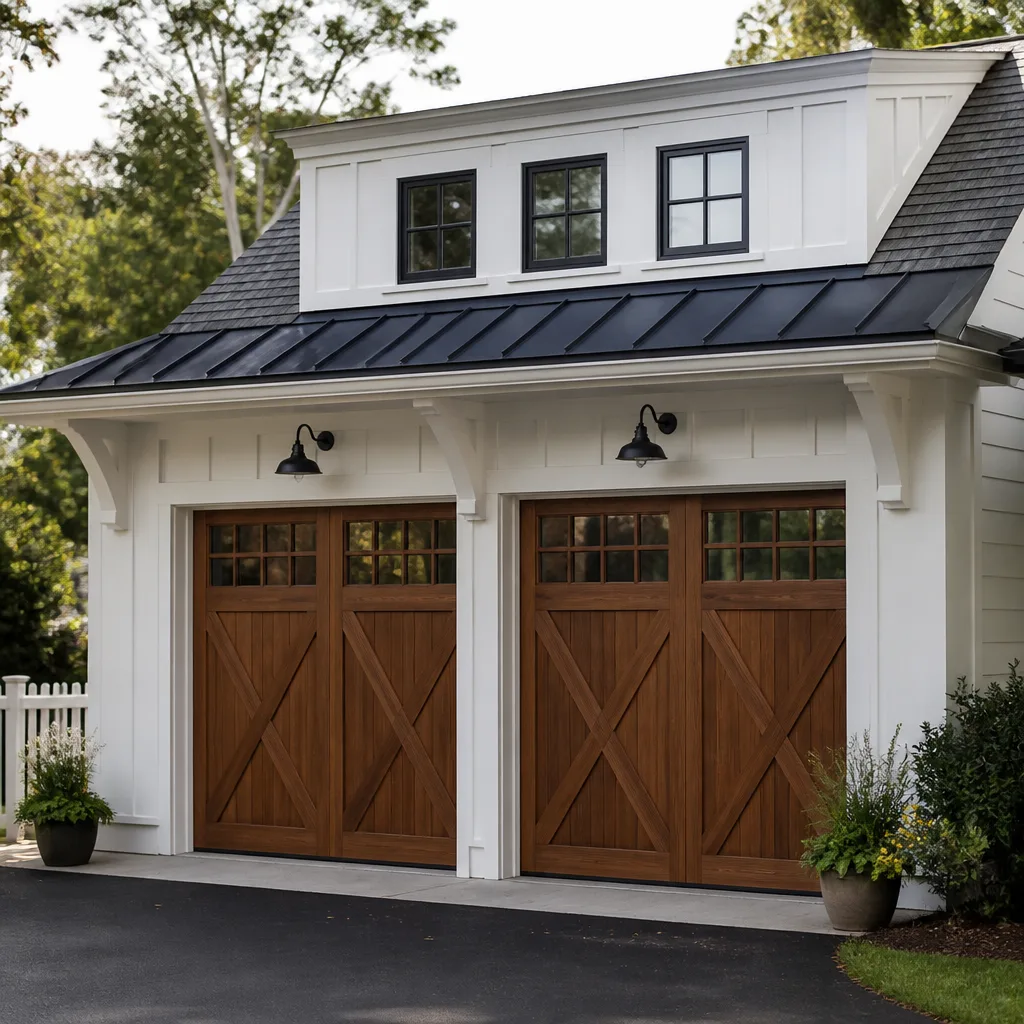
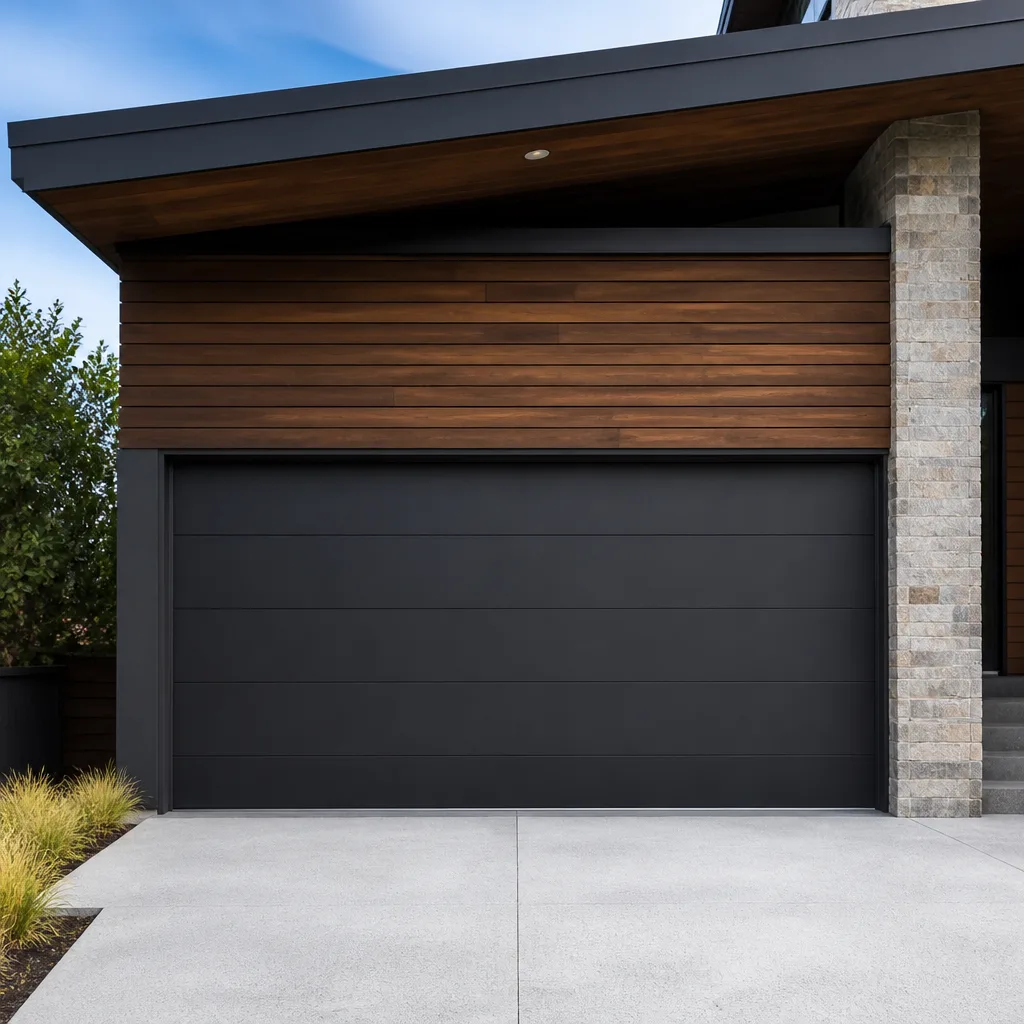
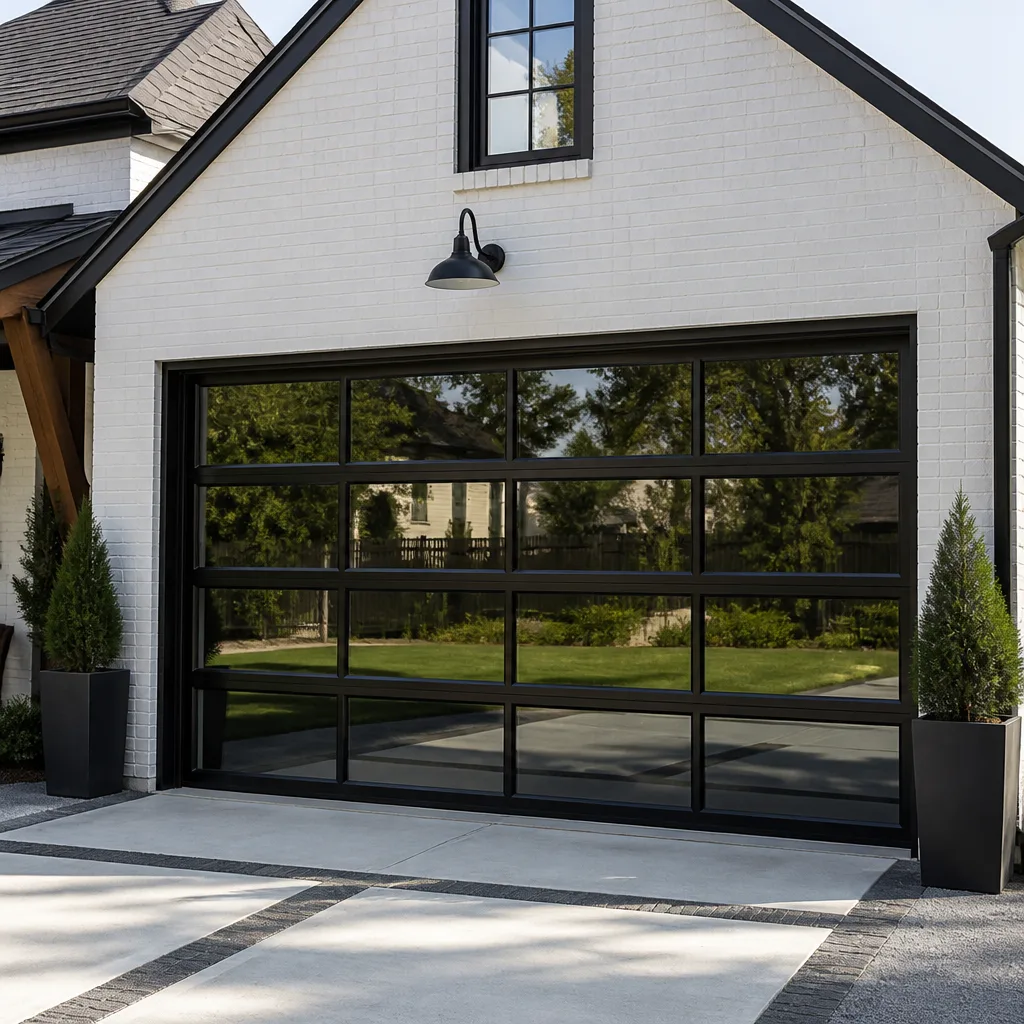
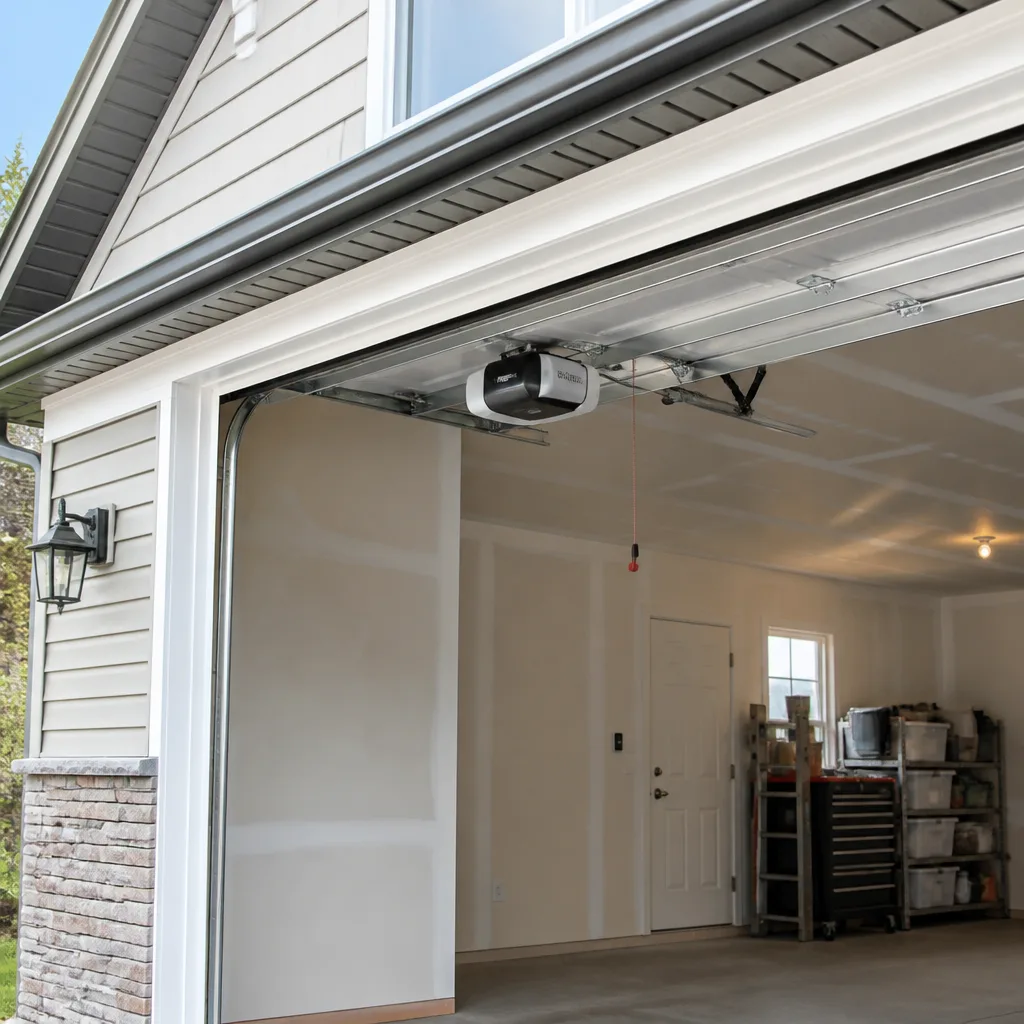
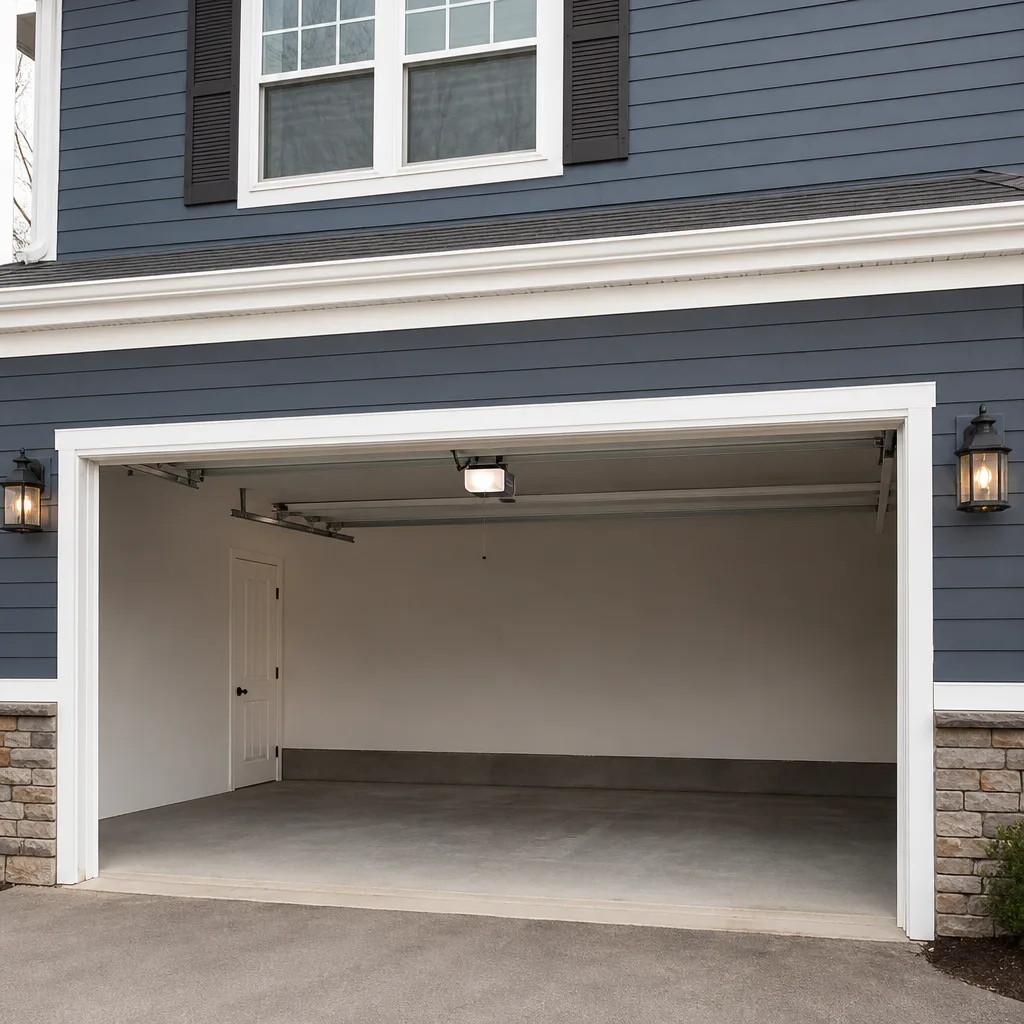
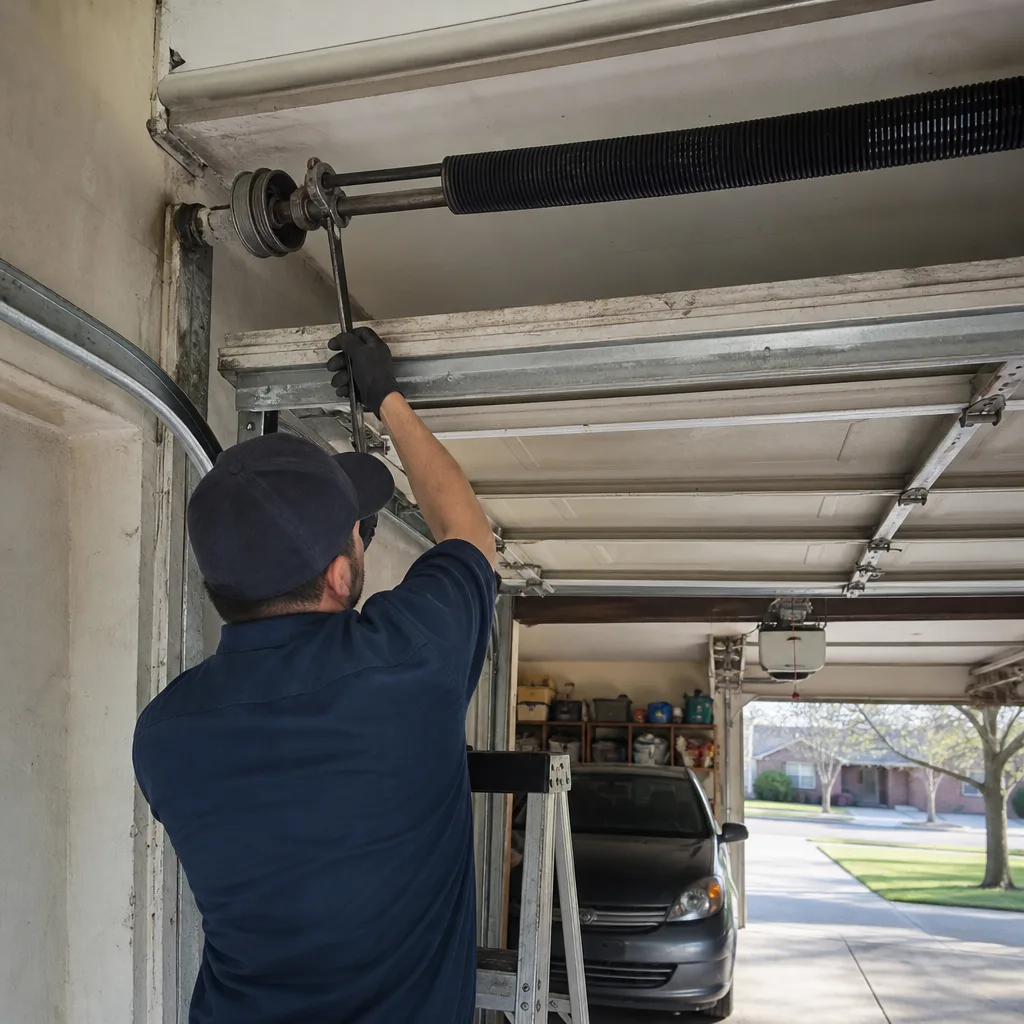 Before
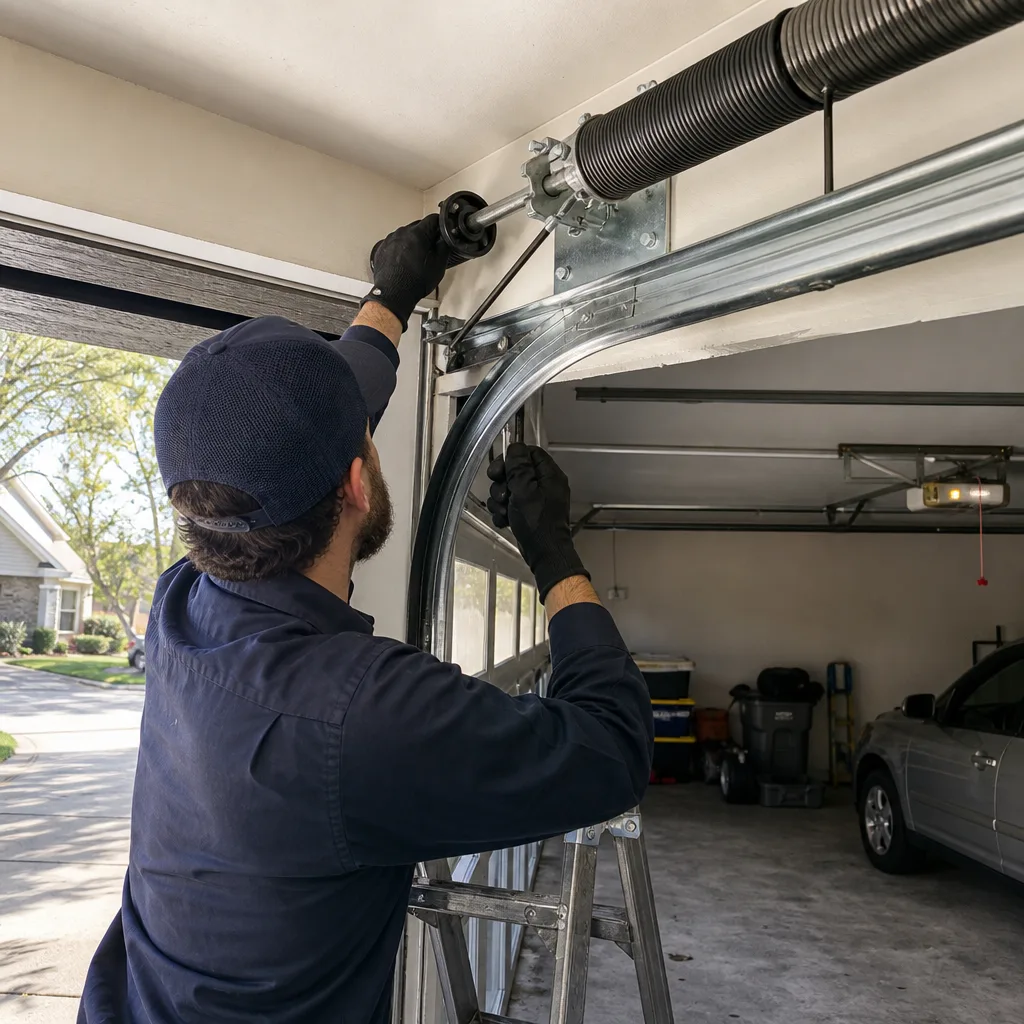 After
After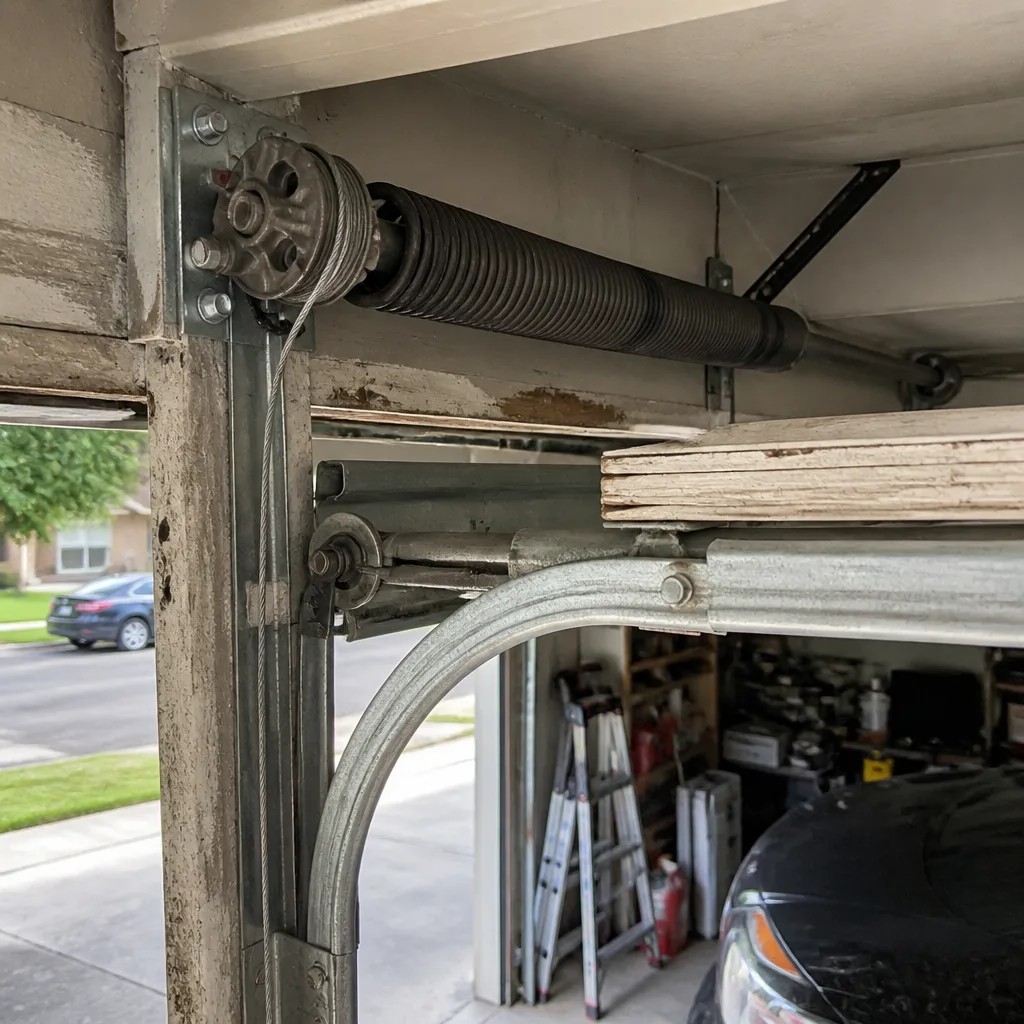 Before
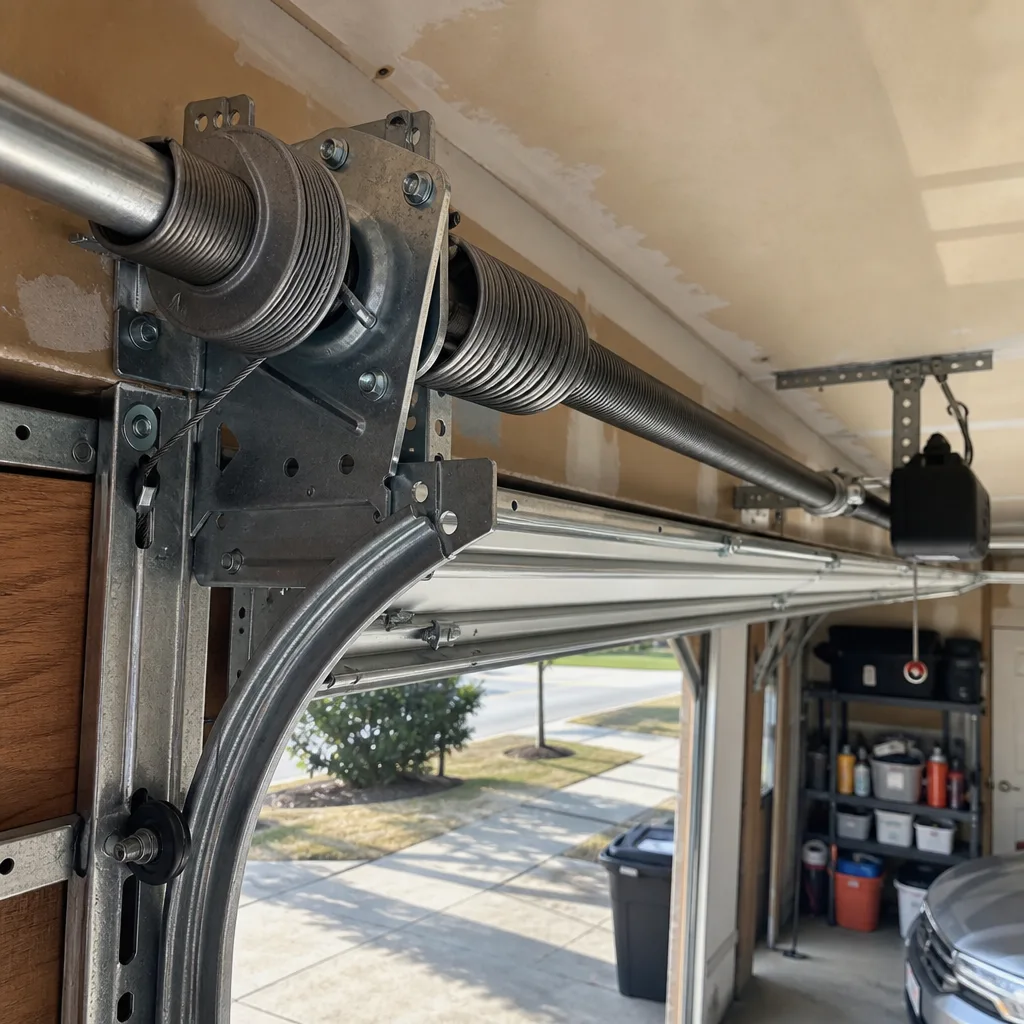 After
After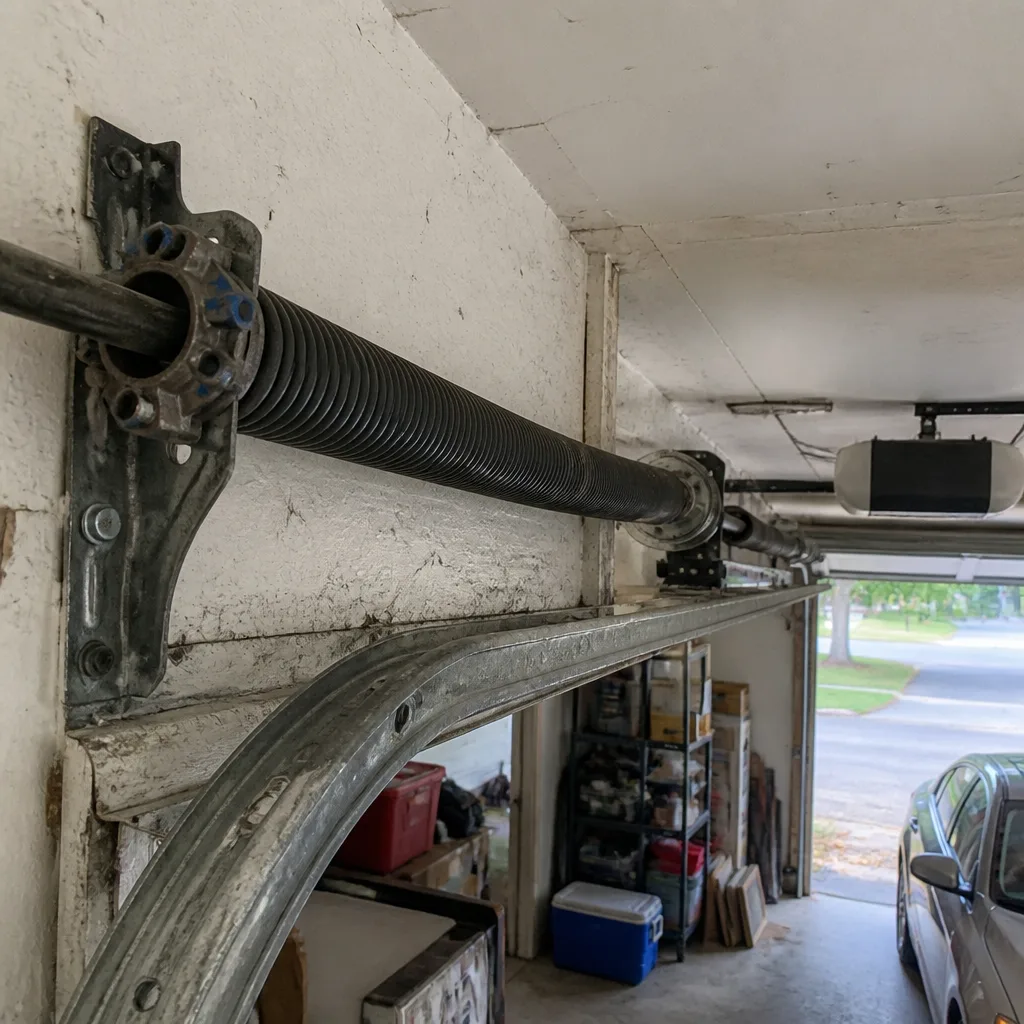 Before
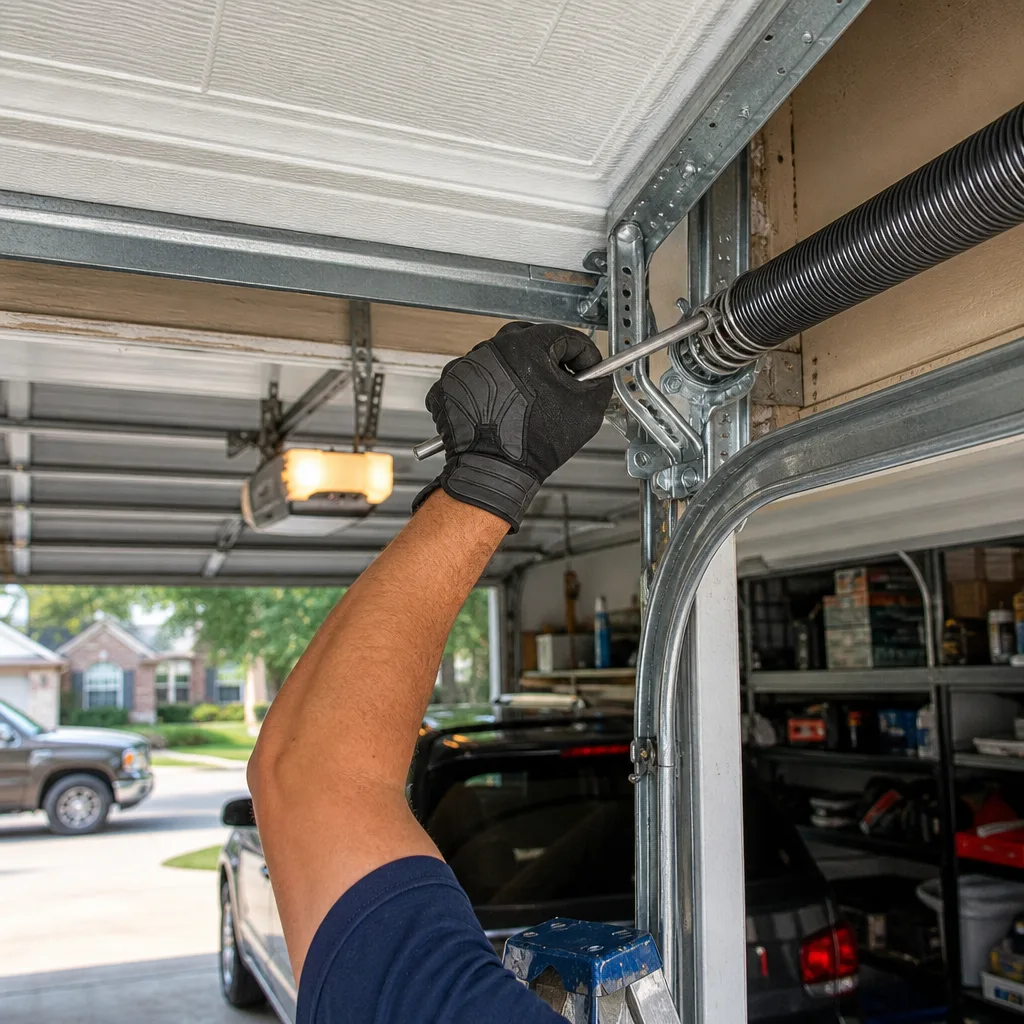 After
AfterCraftsman Roller Replacement: The Plano Owner’s Guide
Craftsman roller replacement in Plano typically runs $110 to $220 installed, and we carry compatible rollers on the truck for most Craftsman doors made after 1995. We can usually get your door rolling quiet and smooth the same day you call. Most folks in Plano find out a roller’s failed when the door starts jerking on the way up, or they hear a screech that makes them wince every time they back out for work.
Here’s the thing about rollers: they’re the workhorses of your door. A 16-foot Craftsman door weighs somewhere around 160 to 200 pounds, and every one of those pounds rides on a set of rollers that spin hundreds of times a year. When one seizes up or sheds its ball bearings, the door doesn’t just get noisy. It starts racking sideways in the track, and that puts strain on your hinges, your cables, and eventually your opener’s gear train. A $15 roller left too long becomes a $300 opener repair. Otto Reinhardt has been fixing Craftsman doors across Plano since 2004, and we’d rather catch the roller while it’s still a roller problem.
Which Craftsman Models This Applies To
Craftsman garage doors have been sold through Sears for decades, and the roller specs changed very little through the 1990s and 2000s. If your door was made after 1995 and has hinged panels, it almost certainly takes a 2-inch nylon roller with a 7/16-inch stem. Most pre-1995 doors used the same stem size but with steel rollers, and some early Craftsman doors have a 5/16-inch stem. If you’re not sure, look at the roller right where it enters the hinge: the stem is the part that slides into the hinge barrel, and a quick measurement with a ruler settles it.
The compatibility gotcha we see most often in Plano: Craftsman branded doors were actually manufactured by several companies over the years, including Chamberlain and Wayne Dalton for different series. A roller that fits a Chamberlain-built Craftsman door may not seat right in a Wayne Dalton-built version of the same model year. That’s why we match the roller to the hinge, not just to the model number on the door. We’re an independent local shop, not affiliated with Craftsman or Sears, which means we stock both OEM-spec rollers and quality aftermarket replacements, and we’ll tell you honestly when an aftermarket roller at $12 does the same job as the OEM part at $28. If you’d rather have the factory sticker on the bag, we can order OEM for you too. We also stock rollers for LiftMaster, Chamberlain, and Genie doors, so if you have more than one door and they’re mismatched, we can get them all turning right in one trip.
Signs Your Craftsman Roller Replacement Is Failing
- A grinding or screeching noise when the door moves. That sound is usually the roller bearings inside the wheel seizing up and dragging metal on metal. Once the ball bearings start to go, the roller stops spinning and starts sliding, and the wear accelerates fast.
- A jerky or shaky movement as the door travels. When one roller isn’t rolling, the whole door cocks slightly in the track. You’ll see it hesitate, then jump. That jerk is the door fighting its own weight.
- The door looks tilted or uneven in the opening. A failed roller on one side will let that corner sag. If you look at the gap between the bottom of the door and the floor, you’ll see it’s wider on one side than the other.
- Rub marks or metal shavings near the track. When a roller’s wheel is worn flat or the stem is bending, it scrapes the track. Black dust or shiny streaks on the vertical track are a dead giveaway.
- The door gets stuck partway and won’t budge. A roller that has completely locked up can stop the door cold. Don’t force it. The opener will push until it trips or strips its gear, and that’s a second repair you don’t need.
None of these symptoms get better on their own. A roller never heals. The good news is that roller replacement is one of the least expensive repairs we do, and catching it early keeps the rest of the door’s hardware from wearing out behind it.
Replacement Cost & What’s Included
In Plano, full roller replacement on a Craftsman door runs $110 to $220 installed, depending on two things: how many rollers you’re replacing and which type of roller you choose. A typical two-car door has 10 to 12 rollers. If only one or two have failed, we’ll tell you that and quote you the smaller job, but we’ll also tell you if the rest are near the end of their life and what the difference in cost looks like. You get to choose, and the price is what we agree on before we touch anything. It does not change between the phone and the driveway.
That price includes the rollers themselves, the labor to pull the old ones, and a check of the hinges and track alignment while we’re in there. Nylon rollers with sealed ball bearings cost a little more than basic steel rollers, and in the Texas heat they’re worth it. Steel rollers rust and get louder faster, especially in humid summers. Every roller job we do is covered by our 90-Day Done Right Promise: if it’s not done right, we make it right. One call to Otto, not to a call center. We also honor a permanent 10% discount for seniors and veterans, and $40 off any repair over $200.
DIY or Call Us?
The honest answer: replacing a roller is not the most dangerous job on a garage door, but it’s also not a ten-minute pop-it-in project for most people. The rollers on the sides and the top are accessible when the door is down. But the bottom two rollers on each side sit bolted to the bottom bracket, and the bottom bracket is under tension from the lift cable. If you unbolt the wrong thing there, the cable can snap out and the door can drop. That’s the part where we’ve seen good intentions turn into new doors.
What you can safely do: look at the rollers with the door closed. If you see cracked nylon wheels, flat spots, or stems that wiggle in the hinge, call us and tell us what you’re seeing. Otto will talk you through it on the phone and give you a straight number before the truck rolls. If you’ve already got a written estimate from another company, bring it. We’ll give you a free second opinion, no trip charge inside the county. Call (945) 215-6820 and we’ll get someone out to your place in Plano, usually the same day.
FAQs
Basic steel rollers last 5 to 7 years in Plano’s climate before they start getting loud and rough. Nylon rollers with sealed bearings usually last 10 to 15 years and run much quieter. If your door is over 10 years old and you’ve never touched the rollers, they’re worth a look. Call (945) 215-6820 and we’ll give you an honest read on what’s left on yours.
No. Once a roller’s bearings are shot or the nylon wheel is cracked, there’s nothing to rebuild. The good news is that a replacement roller is inexpensive, and it’s usually faster to swap it than it would be to try to salvage it. We quote the replacement before we start, so you’ll never get an invoice bigger than the number you agreed to.
Most roller replacements on a Craftsman door take 30 to 60 minutes, and we carry the common sizes on the truck so there’s no second trip to a supplier. If we’re doing all the rollers on a two-car door, figure an hour or a little more. Call (945) 215-6820 for a free estimate and we’ll give you a time window that’s actually real.
Yes. We carry both OEM-spec and quality aftermarket rollers for Craftsman doors, including the 2-inch nylon and steel rollers with 7/16-inch stems that cover most models since 1995. We’ll match the roller to your hinge and your track, not just the name on the door. Give us a call at (945) 215-6820 and we’ll confirm what fits before we head your way.
Written by Otto Reinhardt, Owner, Otto’s Garage Door - Plano, TX at Otto’s Garage Door, serving Plano and nearby areas.