
Last updated September 10, 2026
Full 25-point door and opener safety check with every visit - springs, cables, rollers, tracks, and your LiftMaster or Chamberlain opener included
You get a price before we start. It does not change when the truck arrives.
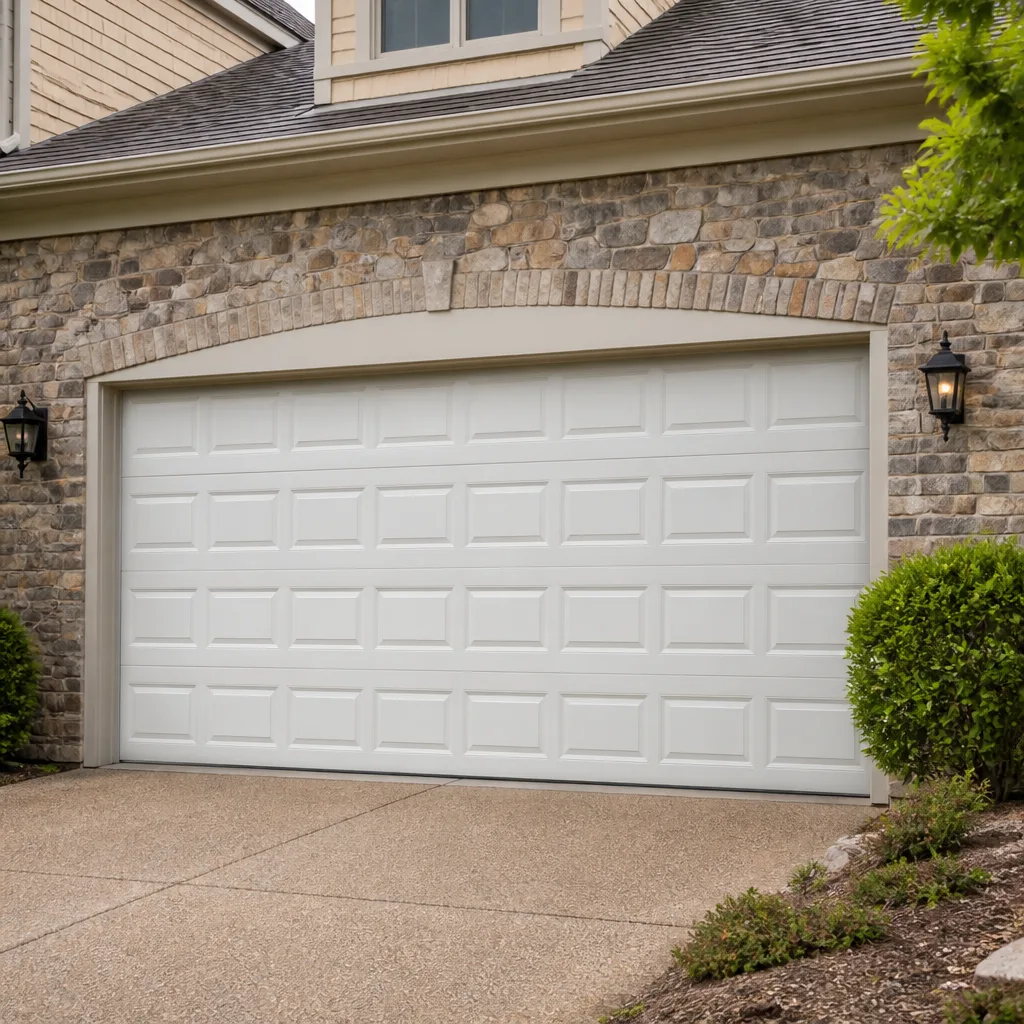
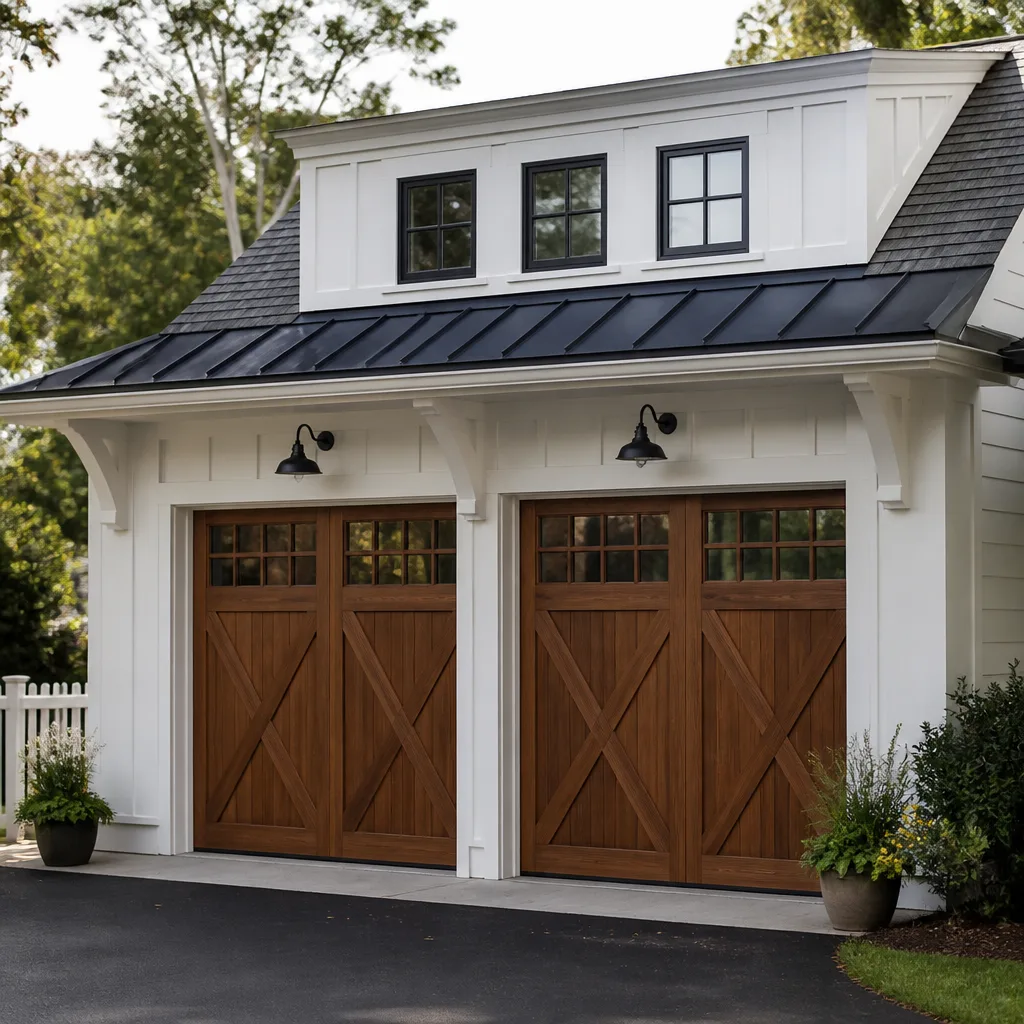
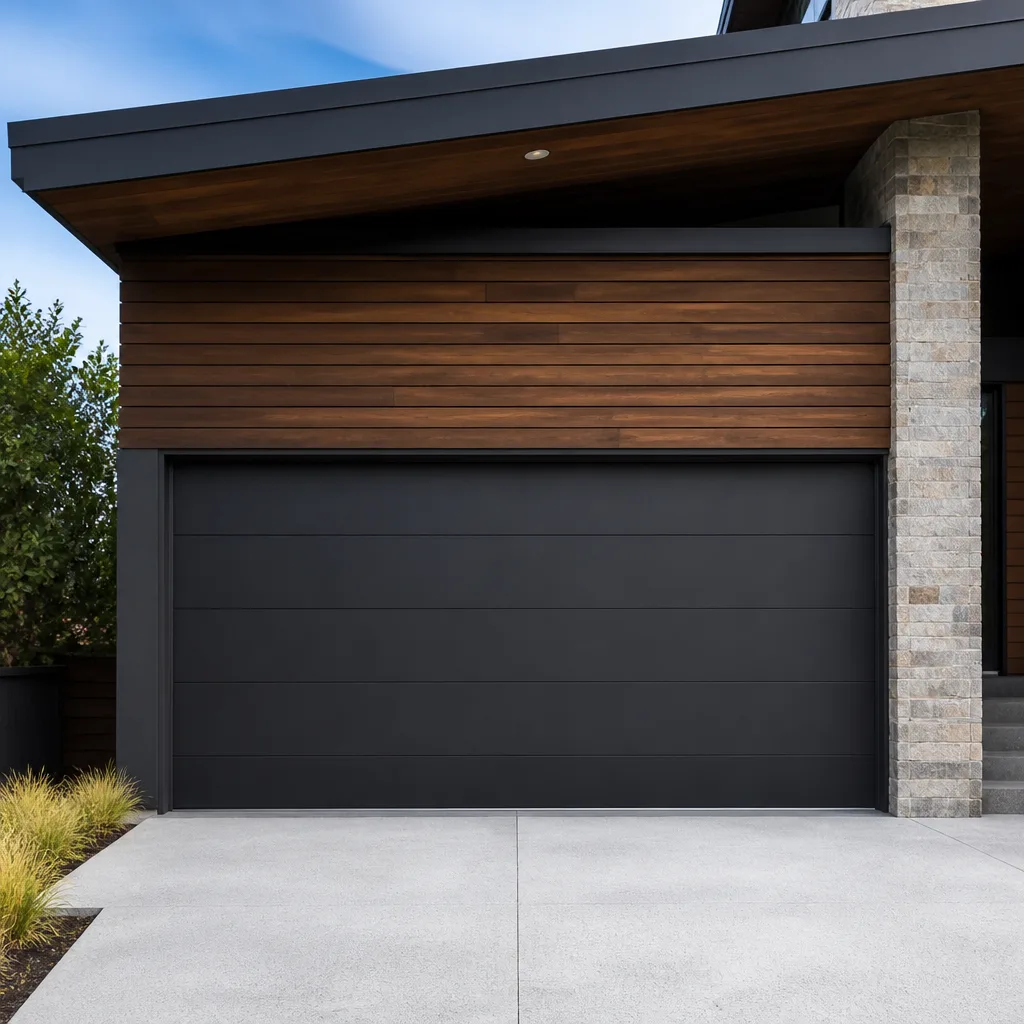
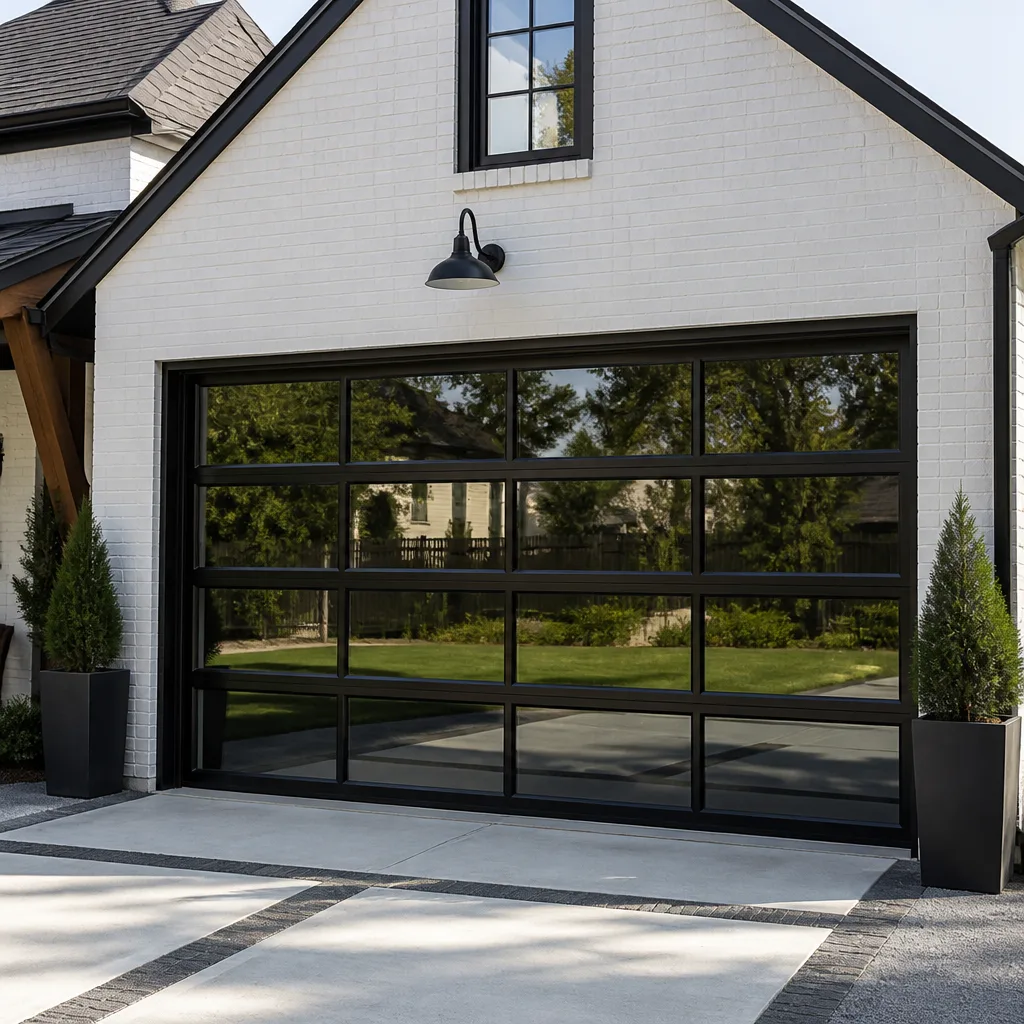
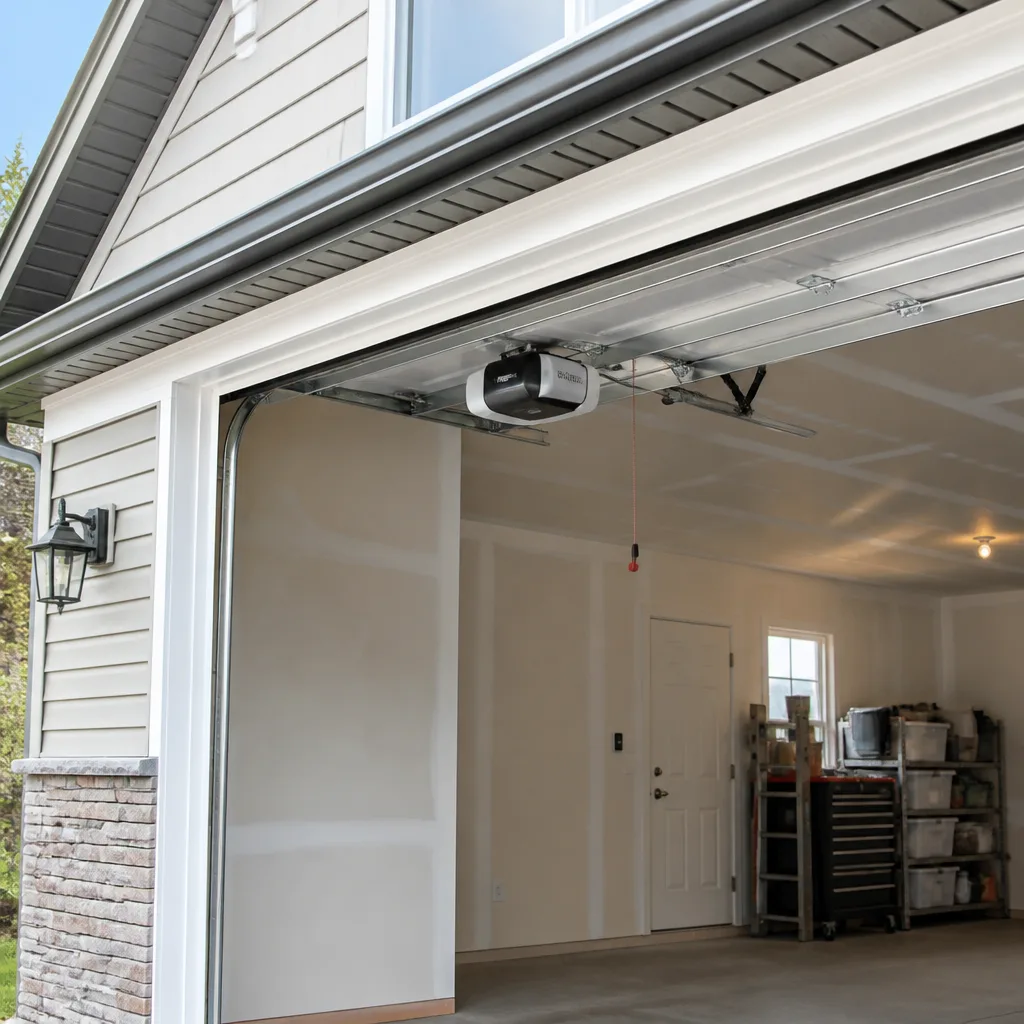
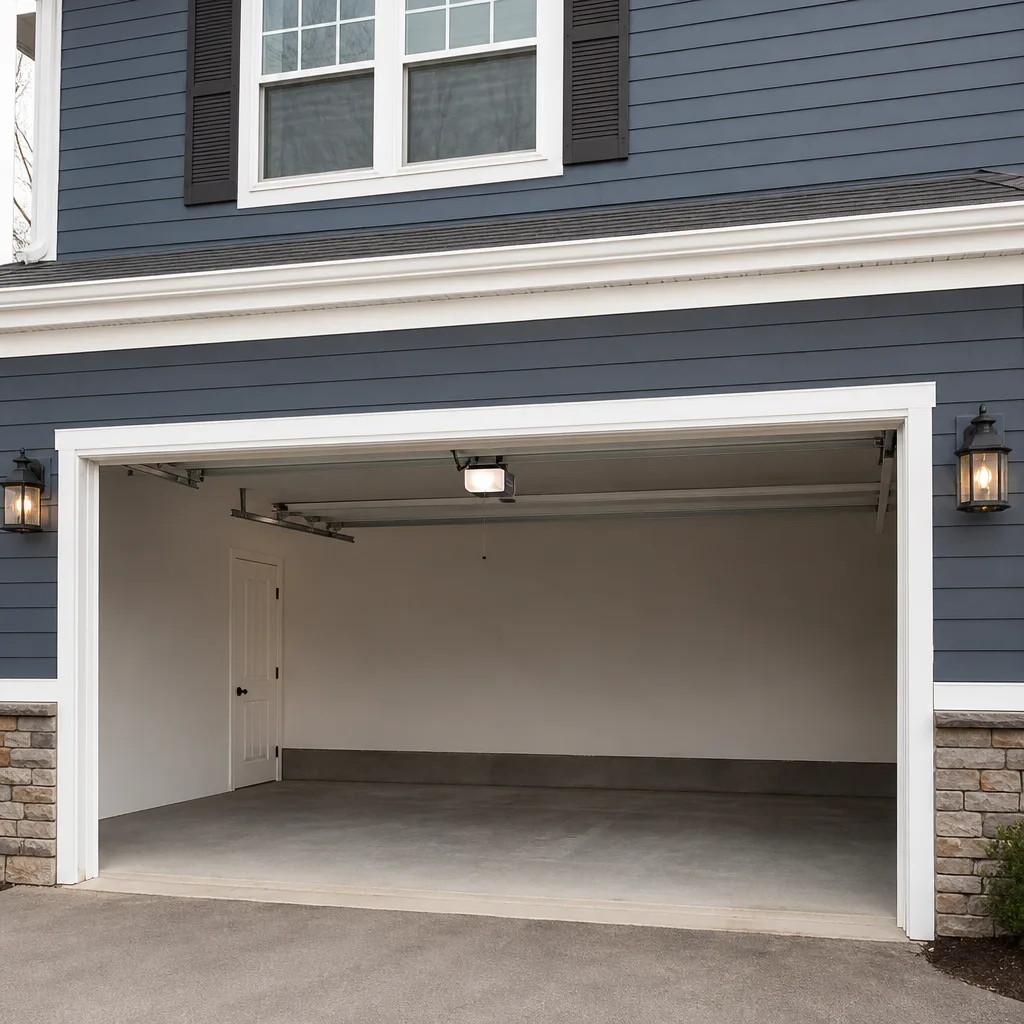
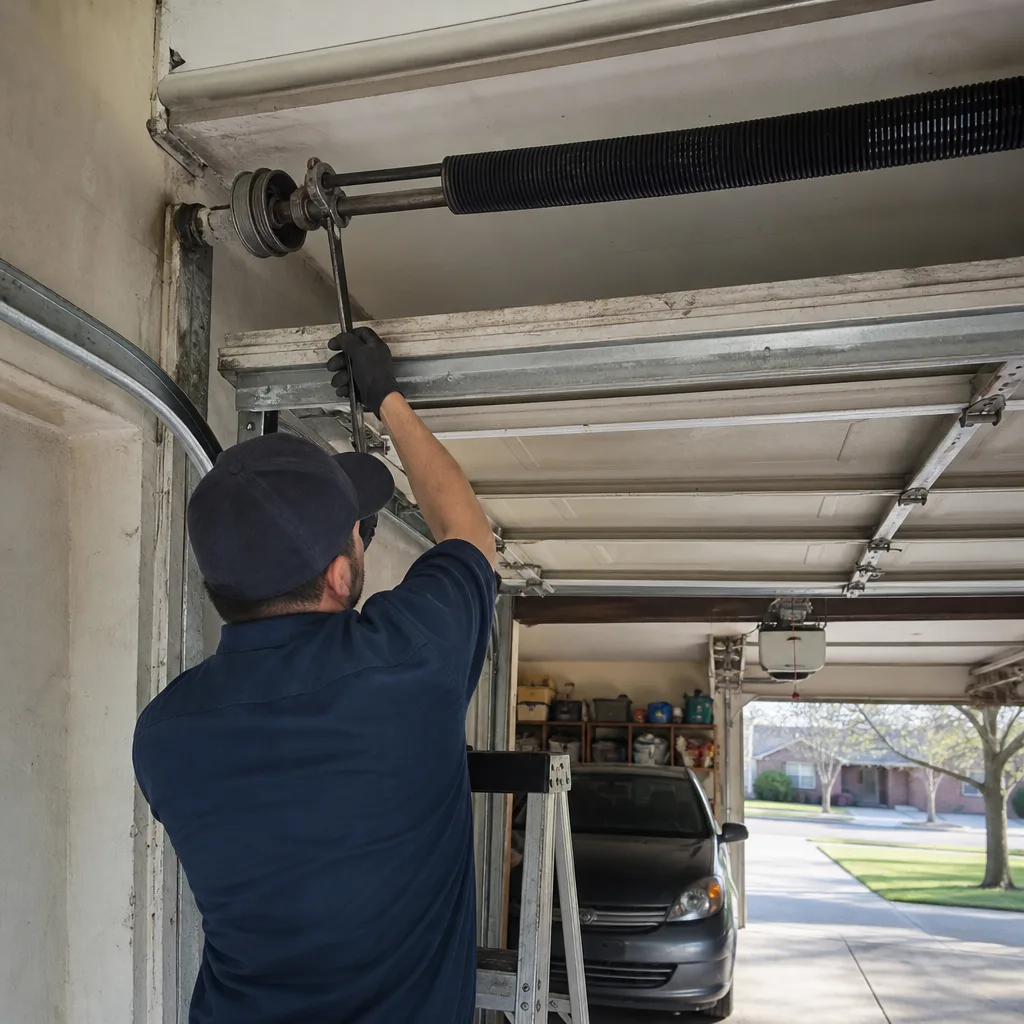 Before
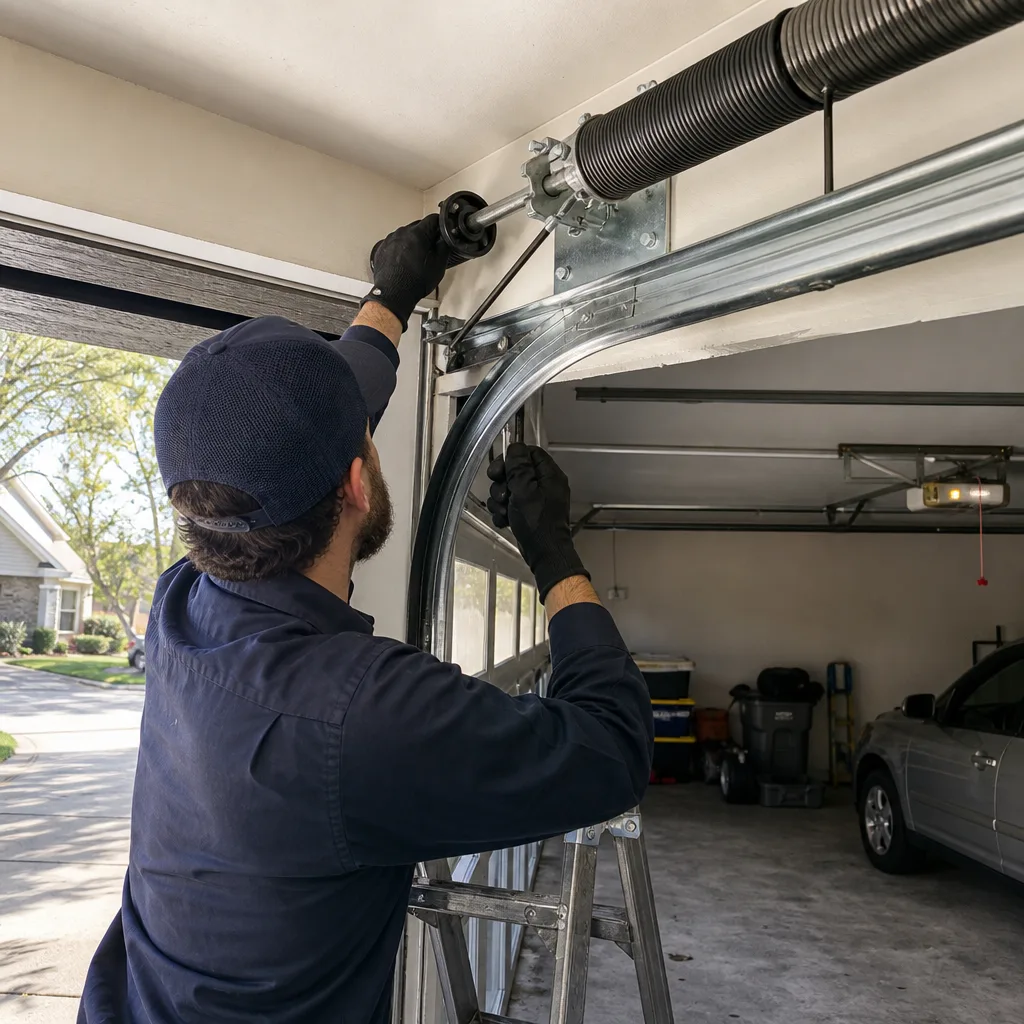 After
After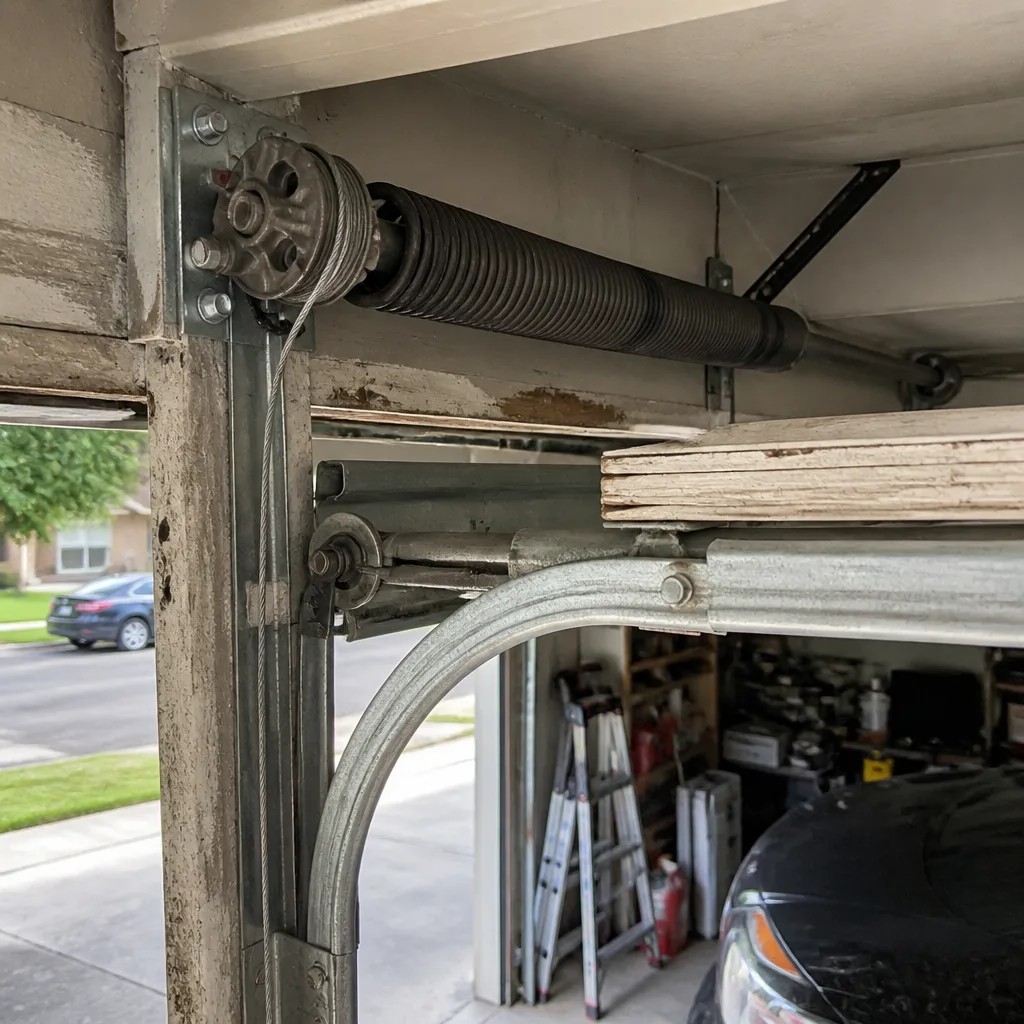 Before
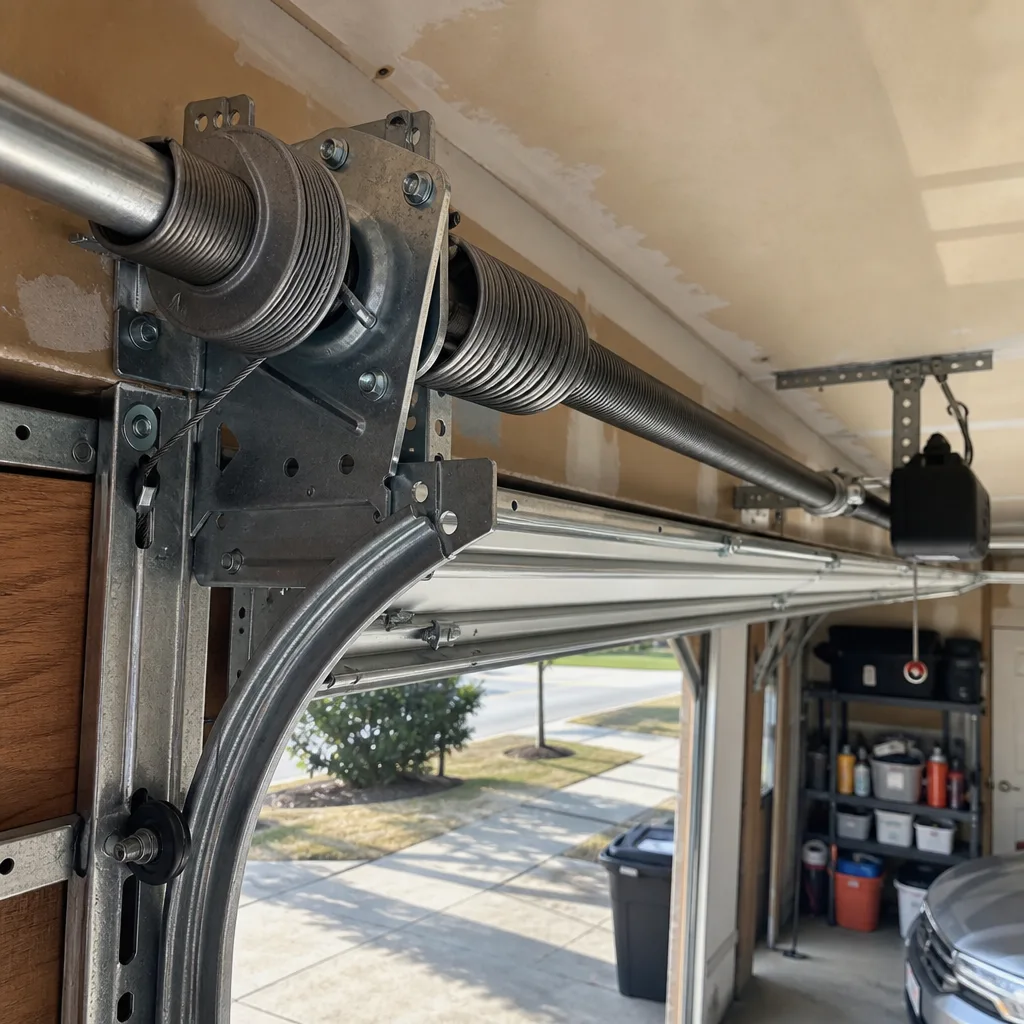 After
After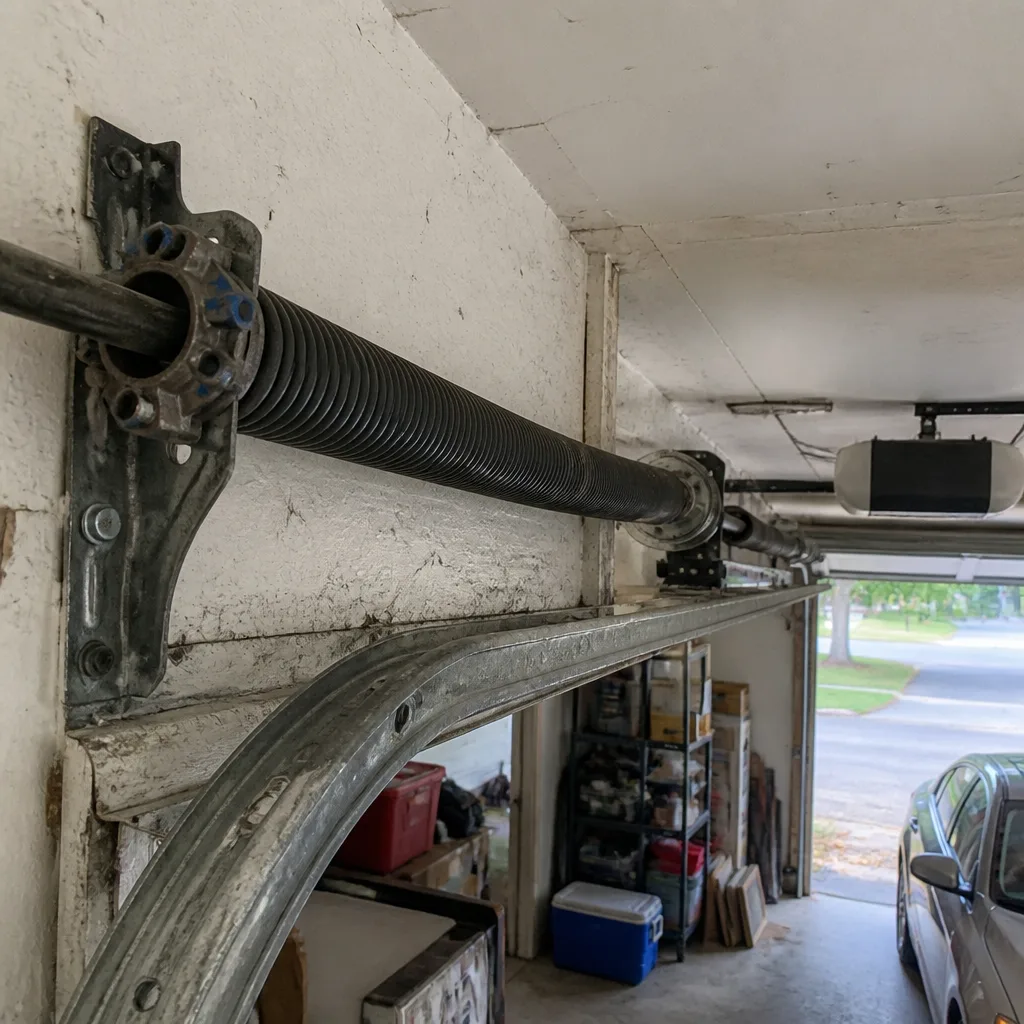 Before
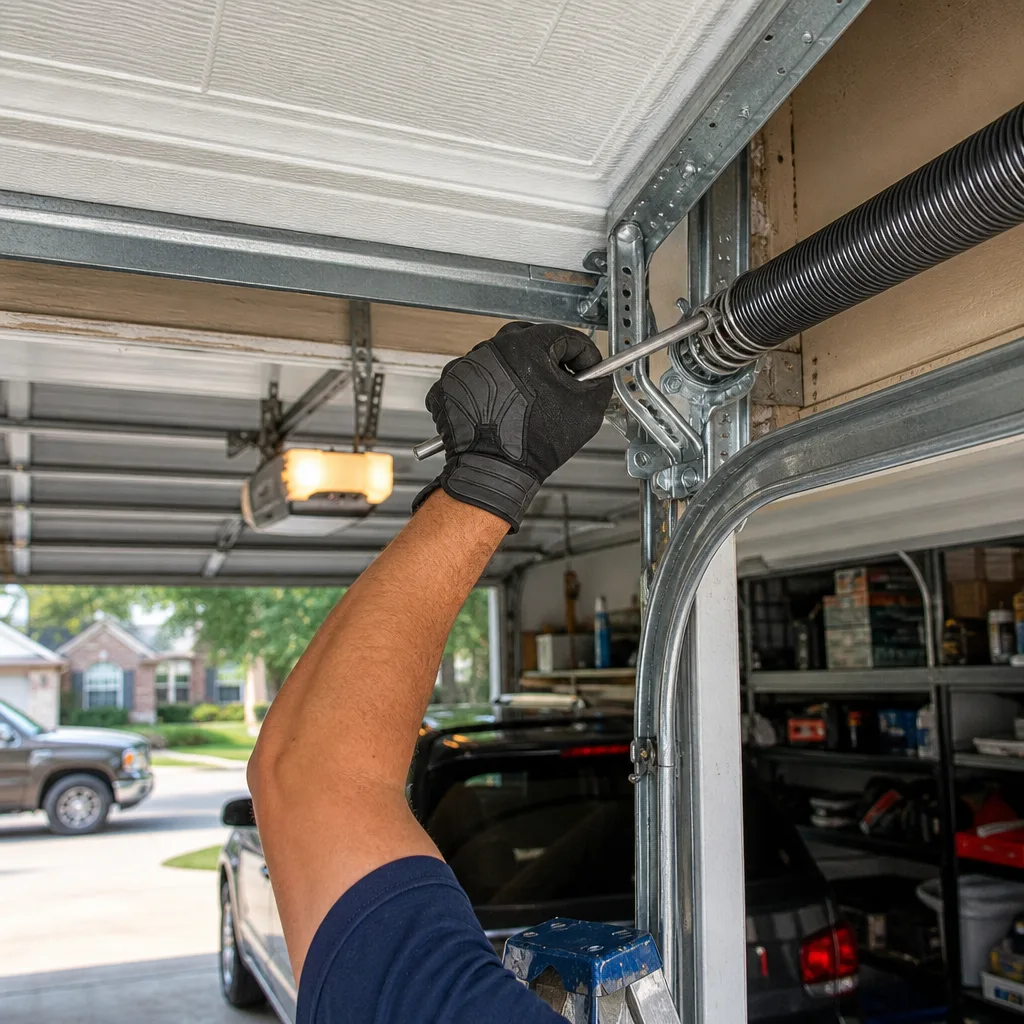 After
AfterGarage Door Permits, Codes & Inspections in TX: What You Need to Know
Here’s the thing most garage door companies won’t tell you when they hand you a quote for a new door in Plano: they might be pricing a job that legally requires a permit, and they’re hoping you don’t ask. We’ve watched neighbors get caught flat-footed at resale when a title search turns up unpermitted work on a door they paid good money for. Worse, we’ve seen insurance adjusters use an unpermitted garage door replacement as grounds to deny a claim after a storm tore through a Collin County subdivision. This guide walks through exactly when Texas and the City of Plano require a permit for garage door work, what an inspector actually checks, what your HOA layer adds on top, and how to protect yourself before you spend a dime. For related reading, see our Garage Door Warning Signs: A Plano Homeowner’s Reference Guide. You’ll finish this piece knowing more about the permit process than half the contractors bidding your job.
Quick Answer
In Plano, TX, a garage door replacement generally requires a building permit when you’re changing the door’s structural opening, altering the header, or converting a garage to living space, while a like-for-like swap of the door itself typically counts as maintenance and may not need one, depending on current city code. A new construction garage door installation always requires a permit. The safe move is to check with the City of Plano Building Inspections department or work with a contractor who pulls permits as a matter of habit rather than skipping them to save a day. If you’re evaluating contractors, our How to Hire a Garage Door Contractor in Plano: A Step-by-Step Guide can help.
Table of Contents
- When Plano Actually Requires a Permit for Garage Door Work
- Replacement vs. Repair: The Line That Changes Everything
- What a Code-Compliant Garage Door Installation Looks Like
- How to Check if Your Existing Door Was Ever Permitted
- The HOA Layer: Deed Restrictions That Go Beyond City Code
- What Inspectors Actually Check vs. What Contractors Claim They Check
- What a Garage Door Permit Costs in Plano
- Common Mistakes to Avoid
- When to Call a Professional
- Frequently Asked Questions
- The Bottom Line
When Plano Actually Requires a Permit for Garage Door Work
Let’s get the foundational answer out first. The City of Plano operates under the International Residential Code (IRC) as adopted by the State of Texas, with local amendments. Under IRC Section R105, a building permit is required for work that involves structural changes, new construction, or alterations to load-bearing elements. A garage door opening is framed by a header, which carries roof and wall load above it. That header is structural. Which means anything that touches it triggers permit requirements.
Here’s the specific breakdown for garage door work in Plano:
- New construction garage door installation: Always requires a permit. The rough opening, header, and door are all part of the approved building plan and must be inspected.
- Replacing a garage door with a different size or style that changes the opening dimensions: Requires a permit. You’re modifying structural framing, even if only by a few inches.
- Converting a garage door opening to a wall or adding a new opening: Requires a permit. This is a structural alteration, full stop.
- Like-for-like replacement of a garage door (same size, same opening, no framing changes): In most cases, this falls under maintenance and does not require a permit in Plano, but you should verify with the Building Inspections department because code adoption changes.
- Replacing only the door panels, springs, or opener: No permit required. This is repair and maintenance, not construction.
A 200-pound door rides on two springs. Respect the framing that holds it up. When you change that framing, you assume liability for what happens if it’s wrong. That’s not a contractor’s problem five years later when you’re selling the house. That’s your problem, on your title, in your name.
If you’re unsure whether your specific project needs a permit, call the City of Plano Building Inspections department before you sign any contract. A five-minute call beats a thousand-dollar fix later.
Replacement vs. Repair: The Line That Changes Everything
The distinction between replacement and repair in Plano comes down to one question: are you changing the structural opening, or are you maintaining what’s already there? Contractors blur this line constantly because it’s convenient. Here’s the thing a homeowner should know before they talk to any contractor: the city doesn’t care what the contractor calls it. The city cares what actually changes in the structure.
Here’s a practical guide:
- Repair: You’re fixing a broken spring, a bent track, a snapped cable, a dead opener, or a dented panel. The opening dimensions don’t change. The header doesn’t move. The door sits in the same frame it’s always sat in. No permit needed.
- Replacement of the door only: You’re pulling the old door off its tracks and putting a new door on the same tracks, or replacing tracks because they’re worn out. The opening is unchanged. In Plano, this is typically maintenance. No permit needed, but check current code to be certain.
- Replacement that changes anything structural: You’re widening the opening for a bigger door, adding a second door where one existed, or changing from a single to a double. That’s construction. Permit required, inspections required, and an inspector will look at your header before you’re allowed to hang the door.
- Enclosure or conversion: You’re converting the garage to a bedroom, office, or apartment. The door comes out, a wall goes in, and the city wants to see the plans before you lift a hammer. Permit required, no exceptions.
We run into this regularly in Plano neighborhoods where 1990s-era homes have small single doors that owners want to widen for modern SUVs. A Ford Expedition barely clears a 7-foot door. Widening that opening to 8 or 9 feet means cutting into the header, installing a new engineered header, and pulling a permit. Any contractor who says otherwise is either ignorant of the code or hoping you won’t find out until the home inspection at resale.
What a Code-Compliant Garage Door Installation Looks Like
When we install a garage door in Plano, we’re working against three code layers: the IRC, the Texas amendments, and Plano local code. Here’s what compliance looks like in practice, section by section.
Header clearance and sizing. The header above a garage door opening carries the weight of the wall, roof, and any floor above it. IRC Table R502.5 specifies minimum header sizes based on span, load, and species of lumber. For a standard 9-foot door in a single-story Plano home with a gable roof, you’re typically looking at a doubled 2×10 or a 2×12 header, depending on snow load calculations (yes, we calculate snow load, even in Texas). The header must extend at least 1.5 inches past the rough opening on each side for bearing. An inspector will check that with a tape measure. We check it before the inspector shows up.
Fire-rated separation between garage and living space. This is the one most homeowners never hear about. IRC Section R302.6 requires the wall and any door between an attached garage and the living space to be fire-rated. A garage door leading outside doesn’t need to be fire-rated, but the door from your garage into your kitchen or hallway absolutely does. If you’re replacing that interior door as part of a garage remodel, the new door needs a 20-minute fire rating. If your contractor hangs a hollow-core interior door there, you’ve got a code violation that an inspector can flag and an insurance adjuster can use.
Bottom seal and weather protection. Plano’s climate swings from 100-plus-degree summers to freeze events like we saw in 2021. The IRC requires the garage door bottom seal to provide a weather-resistant barrier between the garage interior and the outside. A worn or missing bottom seal lets water in during spring storms, invites pests, and wastes energy. Inspectors don’t always check the seal, but they can. We replace seals as standard on every door we install because a door without a proper seal fails the common-sense test Otto has applied since 2004.
Wind load requirements. Texas sits in a wind zone, and the City of Plano enforces wind-load ratings for garage doors under the IRC’s high-wind provisions. A door installed in Plano must be rated for the wind speed specified for Collin County in the adopted code. This means impact-rated doors or wind-rated reinforcement in some cases, particularly for newer construction. Genie and Clopay both make wind-rated models that meet these specs. An inspector can and will check the door’s wind-load label. We order to spec, never from stock, when wind rating is required.
How to Check if Your Existing Door Was Ever Permitted
If you’re preparing to sell a home in Plano and you’re not sure whether the garage door on your house was installed with a permit, here’s how to find out before the buyer’s inspector does.
- Call the City of Plano Building Inspections department. Ask for a permit history search on your address. This is public record. You’ll need your address and parcel number, which you can find on your Collin Central Appraisal District statement. The city can tell you which permits were pulled for your address and when.
- Check your closing documents from when you bought the house. Sellers in Texas must disclose known unpermitted work. If a garage door replacement happened before you bought, the seller’s disclosure may note it. If it doesn’t and you later find out the work was unpermitted, you may have recourse against the seller under the Texas Deceptive Trade Practices Act, depending on timing and circumstances.
- Look for a permit sticker or inspection tag. Inspectors in Plano sometimes leave a green or yellow sticker near the garage door frame or on the opener. If you see one, the work was likely inspected. If you don’t, that doesn’t prove anything, but it’s a data point.
- Compare the permit history to the age of the door. If the city shows no permits for the past 20 years and your door is clearly newer than that, someone installed it without pulling a permit. That doesn’t automatically make the door unsafe, but it does create a disclosure obligation when you sell and a potential insurance issue if something goes wrong.
If you discover unpermitted work, you have two options. You can apply for a retroactive permit through the city, which typically involves an inspection of the existing work and may require opening up walls to verify framing. Or you can disclose it honestly at sale and negotiate with the buyer. Neither is pleasant. Both are better than hiding it and getting sued later.
This is why we pull permits whenever the job requires one, even though it adds time. The name on the van is the name on the license, and Otto has no interest in explaining to a homeowner five years later why we skipped a step to save a day.
The HOA Layer: Deed Restrictions That Go Beyond City Code
Plano has one of the highest concentrations of homeowners associations in North Texas. If your home is in a neighborhood like Whiffletree, Willow Bend, Glenhollow, or any of the dozens of other HOA-governed subdivisions in Plano, your garage door is probably governed by two sets of rules: city code and deed restrictions. The HOA layer often has nothing to do with safety and everything to do with appearance.
Here’s what we’ve seen Plano HOAs require that the city does not:
- Door style restrictions: Some subdivisions require carriage-house style doors, not flush panel. Others require specific panel patterns. The city doesn’t care what your door looks like. Your HOA almost certainly does.
- Color restrictions: Many Plano HOAs restrict garage door colors to a specific palette that matches the home’s exterior. White, tan, and almond are common approved colors. A door in the wrong color can trigger a violation notice and liens if ignored.
- Material restrictions: Some newer subdivisions ban wood doors due to maintenance concerns. Others require steel doors with specific insulation ratings. We’ve installed Amarr and Wayne Dalton doors in HOA-governed neighborhoods where the deed restrictions name specific manufacturers or R-value minimums.
- Window and decorative element restrictions: Some HOAs prohibit windows on garage doors for security reasons or require them for aesthetic consistency. You need to check before you order.
- Prior approval requirements: Nearly every Plano HOA requires you to submit a door replacement form and receive written approval before installation. Skirting this can result in fines, forced removal, and legal fees.
Before you buy a garage door in an HOA neighborhood in Plano, pull your deed restrictions and read the architectural guidelines section. Then submit the approval form. Then buy the door. In that order. We’ve seen homeowners order a $4,000 door, get it installed, and then receive a violation letter two weeks later because the door color didn’t match the approved palette. That’s a $4,000 lesson in reading the fine print before you spend.
Want a full breakdown of what goes into a new door? See our guide to garage door installation in Plano for the step-by-step process from measure to final inspection.
What Inspectors Actually Check vs. What Contractors Claim They Check
There’s a persistent myth in the garage door trade that inspectors rubber-stamp everything and only glance at the door before signing off. That myth is convenient for contractors who want to skip the permit. It’s also wrong. Plano building inspectors are thorough, and here’s what they actually look at when they inspect a garage door installation.
What the inspector checks:
- Header size and bearing: The inspector measures the header and verifies it meets the span tables in the adopted code. If the header is undersized, you fail. If it doesn’t bear at least 1.5 inches on each side, you fail.
- Door anchoring: The tracks and mounting brackets must be fastened into framing, not drywall or sheathing alone. Lag screws into studs or masonry anchors into brick. The inspector will pull on the track to check.
- Wind load rating: The door’s wind-load label must match what’s required for Plano’s wind zone. No label, no pass.
- Photoelectric sensors and opener safety: If an opener is installed, the inspector checks that the sensors are mounted 6 inches or less from the floor, aligned, and wired correctly. The auto-reverse mechanism must work. These are UL 325 requirements, and Plano inspectors enforce them.
- Fire separation: If the work touches the wall between the garage and the house, the inspector checks for fire-rated assembly. This catches a lot of unpermitted conversions.
- Bottom seal and weather barrier: A proper seal is required. A missing seal is a fail in stricter inspections.
What the contractor claims the inspector checks:
- “They just make sure the door opens and closes.” No. That’s the opener’s self-test, not an inspection.
- “They don’t look at the header once it’s covered.” Wrong. Inspectors do partial inspections during framing, before drywall goes up. Finish inspections come after.
- “It’s fine, I’ve done a hundred of these in Plano.” The number of unpermitted jobs a contractor has done is not evidence that the code doesn’t apply.
- “The city doesn’t really enforce garage door permits.” Try skipping one on a new construction and see what happens when the final inspection fails and the certificate of occupancy is withheld.
A door inspection is a real inspection. It’s not theater. If you’re paying for a permitted installation, you should get a real inspection, and the person doing the work should welcome it. We do. We’d rather have a city inspector verify our work than have a homeowner wonder if we cut corners.
What a Garage Door Permit Costs in Plano
Permit fees in Plano vary by project type, valuation, and the current fee schedule adopted by the city. For a typical residential garage door replacement that requires a permit, the fee is generally under $200. New construction permits are calculated based on the total valuation of the project. For a standalone garage door replacement with minor structural work, budgeting $100 to $250 for the permit itself is a safe range in Plano. If the project includes electrical work for a new opener, a separate electrical permit may be required, adding another $50 to $100.
Here’s the thing about permit fees: they’re cheap compared to what unpermitted work costs you later. An insurance claim denial for a garage door that failed in a windstorm can cost $3,000 to $8,000 out of pocket. A failed resale inspection over unpermitted work can cost you the sale or $5,000 to $10,000 in concessions. A permit is the cheapest insurance you’ll ever buy on a garage door.
We don’t mark up permit fees. The city charges what it charges, and that amount appears on your invoice as a pass-through line item. The price you agree to before we start is the price you pay when we finish. That’s not a sales pitch; that’s how Otto has operated since 2004, and it’s written on every invoice.
If your garage door opener needs work rather than a full replacement, check our garage door opener service page for Plano for details on what that involves.
Common Mistakes to Avoid
- Trusting a contractor who says permits aren’t needed without verifying with the city. The contractor doesn’t issue building permits and doesn’t pay your fines when the city finds out. Call the City of Plano Building Inspections department yourself and ask. Five minutes.
- Skipping the permit to close faster. Permits add a day or two to the schedule. That day is nothing compared to the three-month mess of a retroactive permit when you’re trying to sell. Speed is not worth the liability.
- Ignoring HOA approval until after the door is installed. An HOA in Plano can force you to remove and replace a door that doesn’t match approved styles. That’s a five-figure mistake in some neighborhoods. Get the approval form first.
- Assuming a new door automatically includes a permit. Some contractors quote a price and quietly omit the permit. Then when the job is done, you discover no permit was pulled and the work is unpermitted. Ask outright: “Does this price include the permit?”
- Not keeping permit records. When you sell, the buyer’s agent will ask about permits. Keep the permit number, inspection sign-off, and contractor’s license information in a folder. If it’s digital, even better. You’ll need it.
- Buying a door without checking wind load ratings. A door rated for inland wind zones may not meet Collin County requirements. If a storm hits and the door fails, your insurance adjuster will want to see the rating sticker. No sticker, potential denial.
- Using an unlicensed contractor who happens to know a guy at the city. Permits don’t work that way. The inspector inspects the work, not the relationship. If the framing is wrong, it fails, and now you’re hiring a licensed contractor to fix what the unlicensed one built wrong.
When to Call a Professional
Call a professional any time the work involves the header, the framing, or structural changes to the garage opening. That’s not a DIY Saturday project. A failed header is a roof collapse waiting to happen, and a wrong-sized header can sag within months. Call a professional any time you’re unsure whether a permit applies and you don’t want to spend hours on the city’s website trying to figure it out. Call a professional when HOA requirements are stacking on top of city code and you need someone who’s navigated both in Plano before. For ongoing maintenance tips, see our Garage Door Repair Maintenance Checklist for Plano Homeowners.
Otto’s Garage Door offers free estimates in Plano – call (945) 215-6820. We’ll tell you whether your job needs a permit, pull it if it does, and stand behind the work with the 90-Day Done Right Promise, written on every invoice. Ask anyone on your street. We’ve been in this county since 2004, and Otto is a palindrome: reads the same from either end, same as the door.
Frequently Asked Questions
If you’re replacing the door with the same size and style in the existing opening without changing framing, a permit is generally not required in Plano, but you should verify with the city because code adoption changes. If you’re widening the opening, adding a door, or changing structural framing, a permit is required. When in doubt, call the City of Plano Building Inspections department and ask about your specific project.
For a typical residential garage door replacement requiring a permit, the fee is generally under $200, with electrical permits for openers adding another $50 to $100. The exact fee depends on the project valuation and the city’s current fee schedule. Call (945) 215-6820 for help determining whether your job needs a permit and what it will cost.
If unpermitted work is discovered, you may be required to apply for a retroactive permit, which involves an inspection of the existing work and may require opening walls to verify framing. At resale, unpermitted work must be disclosed to buyers, and an insurance adjuster can use it to deny a claim if the door fails. A retroactive permit is usually the cheapest fix.
If your home is governed by an HOA, likely yes. Many Plano subdivisions require architectural approval before a garage door replacement, and the HOA may restrict color, style, material, and decorative elements beyond what city code requires. Read your deed restrictions, submit the approval form, and wait for written approval before ordering the door.
A Plano inspector checks the header size and bearing, door anchoring into framing, wind load rating, photoelectric sensor placement and auto-reverse function on openers, fire-rated separation between the garage and living space, and the bottom seal. The inspection is thorough, and undersized headers are a common failure.
Replacing or installing a garage door opener typically does not require a building permit in Plano as long as no structural changes are made and the electrical connection is an existing circuit. If new electrical wiring or circuits are added, an electrical permit may be required. The opener must meet UL 325 safety requirements for sensors and auto-reverse.
The Bottom Line
Garage door permits in Plano aren’t bureaucratic busywork. They’re the paper trail that protects you when the door fails, when the storm hits, when you sell the house. A like-for-like door replacement might not need one. A structural change definitely does. Your HOA adds a layer that the city doesn’t. Your insurance company will use unpermitted work against you if they can. The fix is simple: verify before you build, pull the permit when required, and keep the records. Explore more guides & resources from Otto’s Garage Door. We’ve been doing it that way in Plano since 2004, and we’ll still be doing it that way when your son buys your house and asks who installed the door. The answer will be on the permit, with Otto’s name on it.
For garage door repair, installation, or opener work in Plano, start with our garage door repair service page or reach the Otto’s Garage Door home page for the full list of services. Then call (945) 215-6820 and talk to a live person who answers the phone 24/7 and quotes the job on the call. The name on the van is the name on the license and the name on the invoice.
Written by Otto Reinhardt, Owner at Otto’s Garage Door, serving Plano since 2004.