
Last updated September 10, 2026
Full 25-point door and opener safety check with every visit - springs, cables, rollers, tracks, and your LiftMaster or Chamberlain opener included
You get a price before we start. It does not change when the truck arrives.
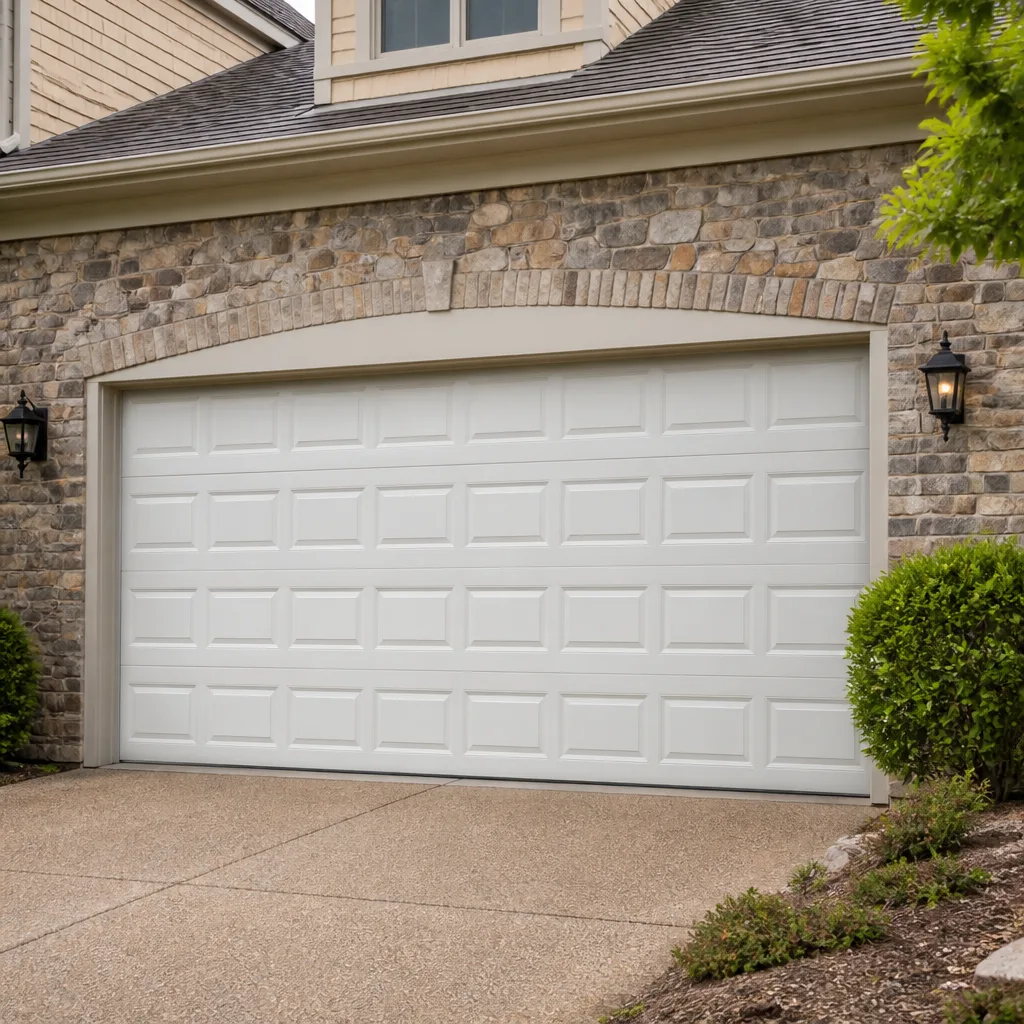
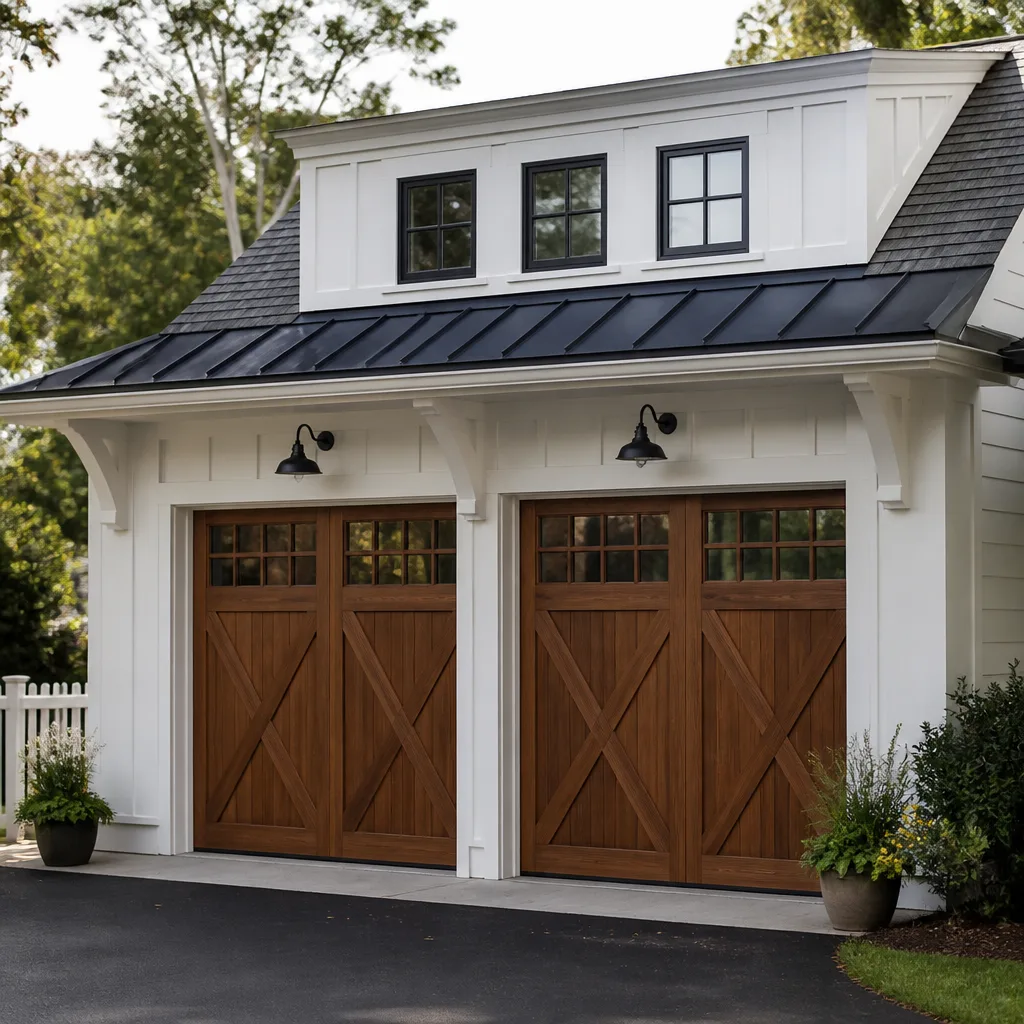
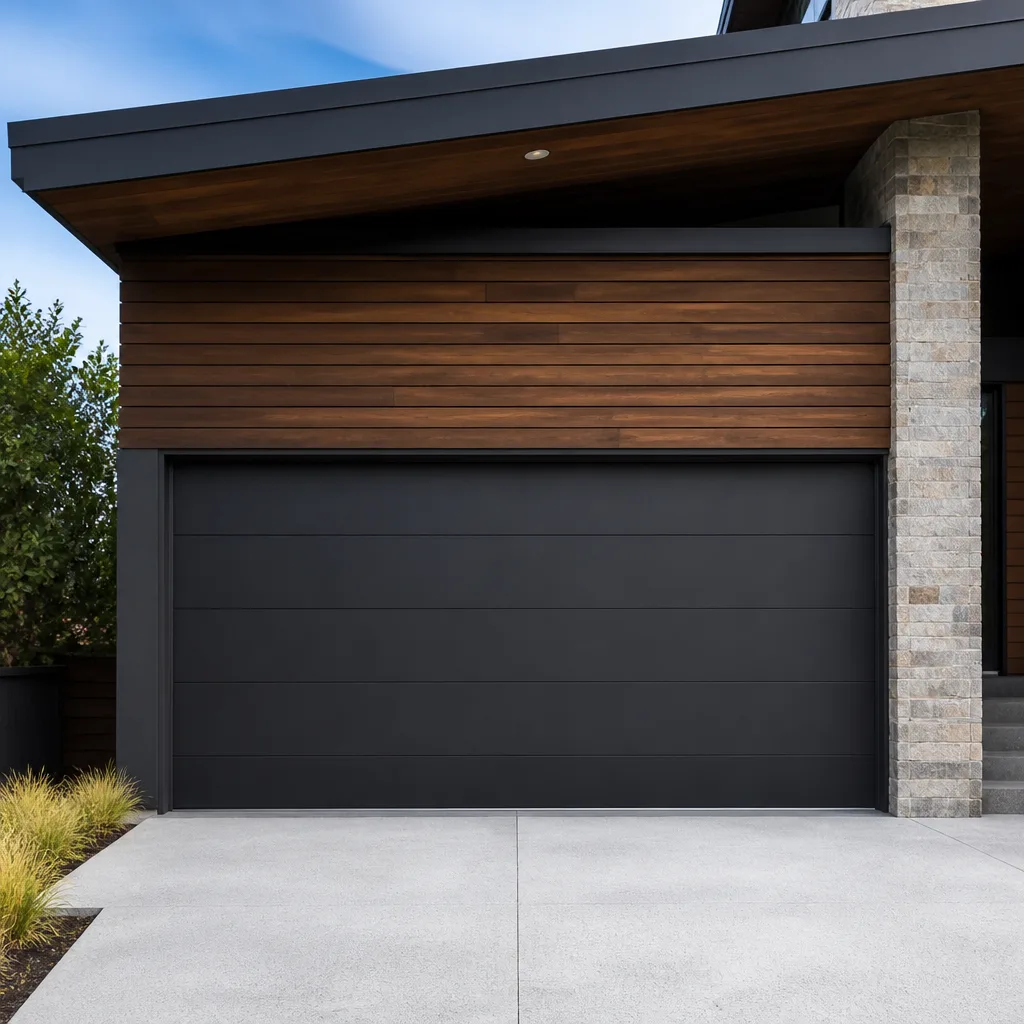
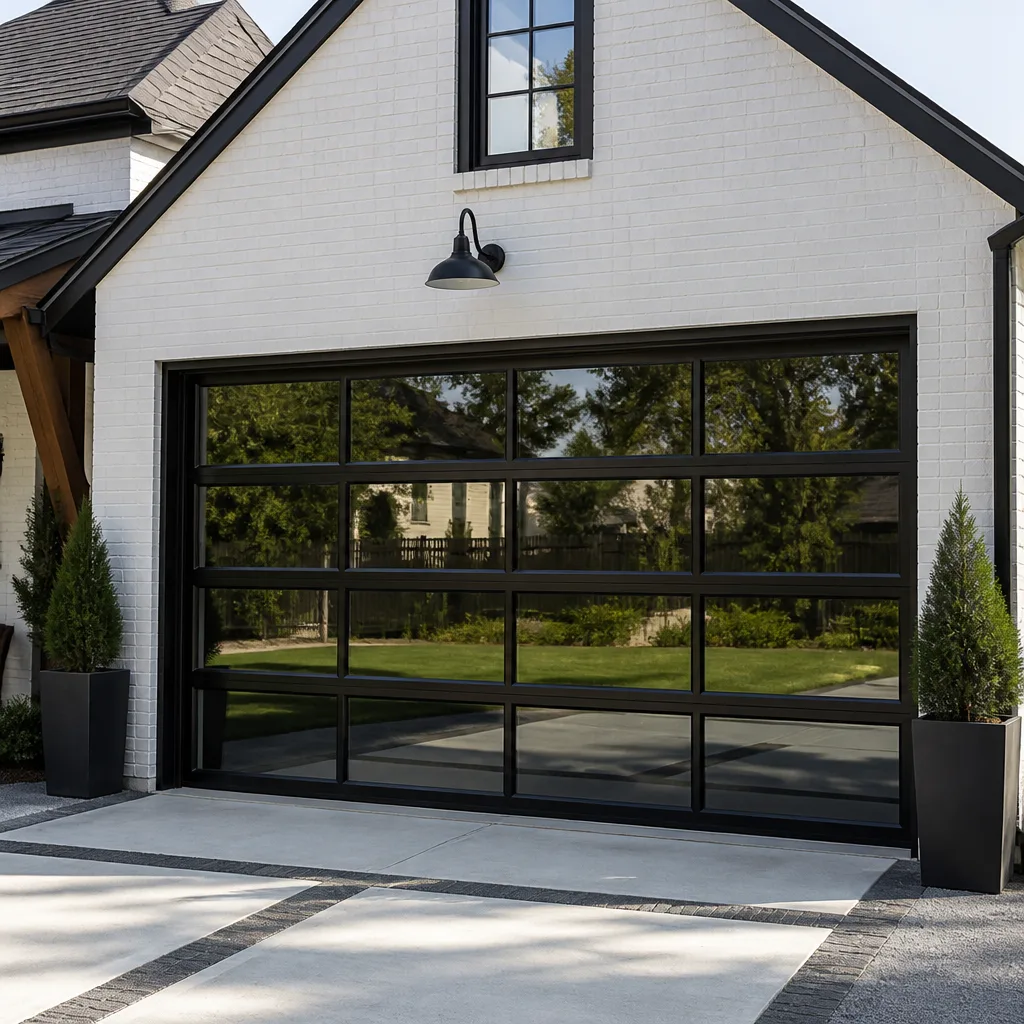
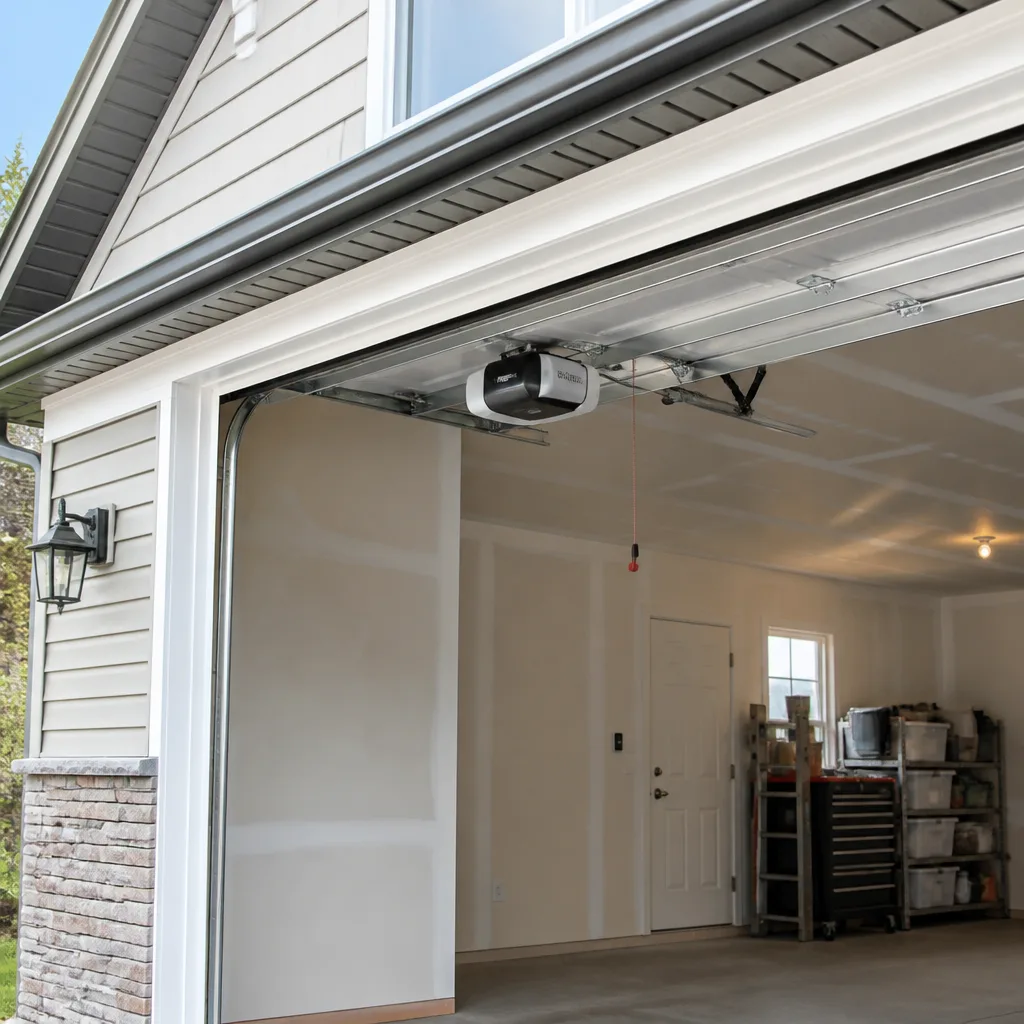
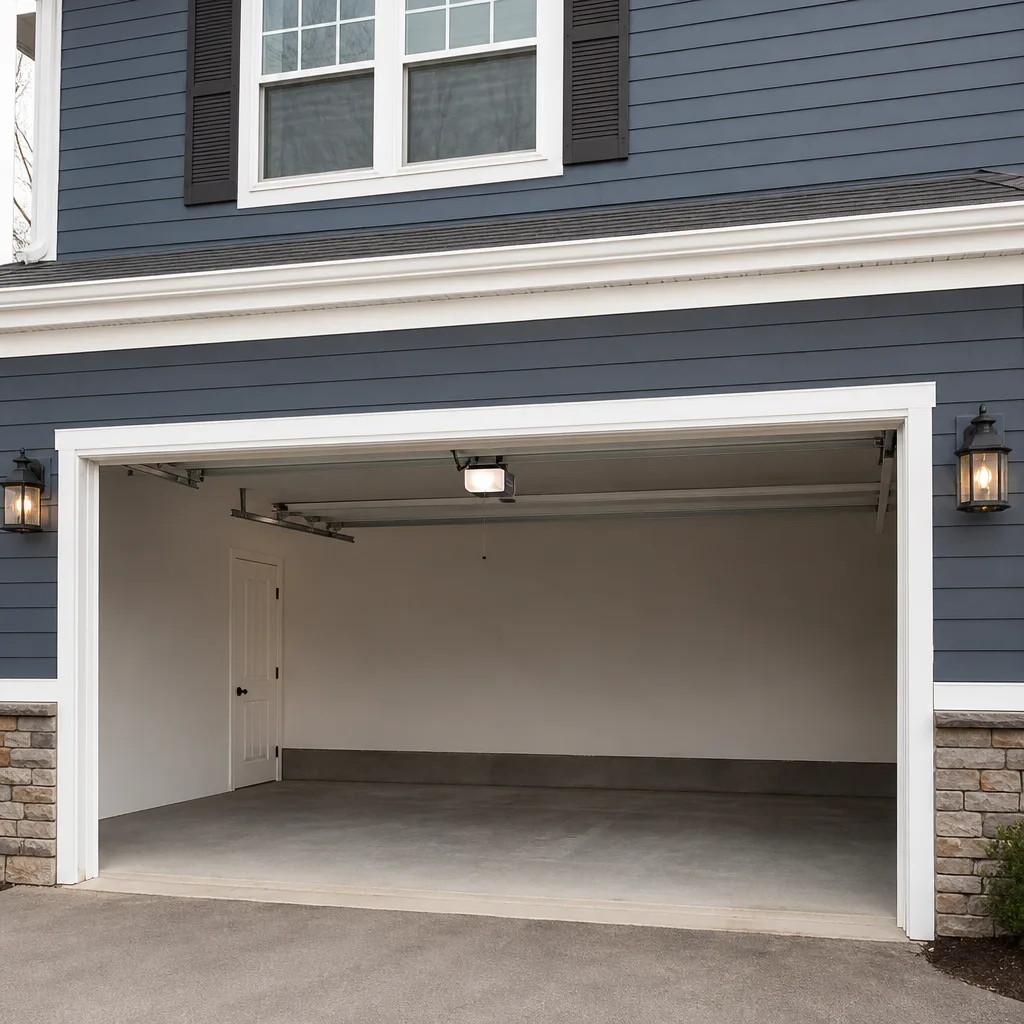
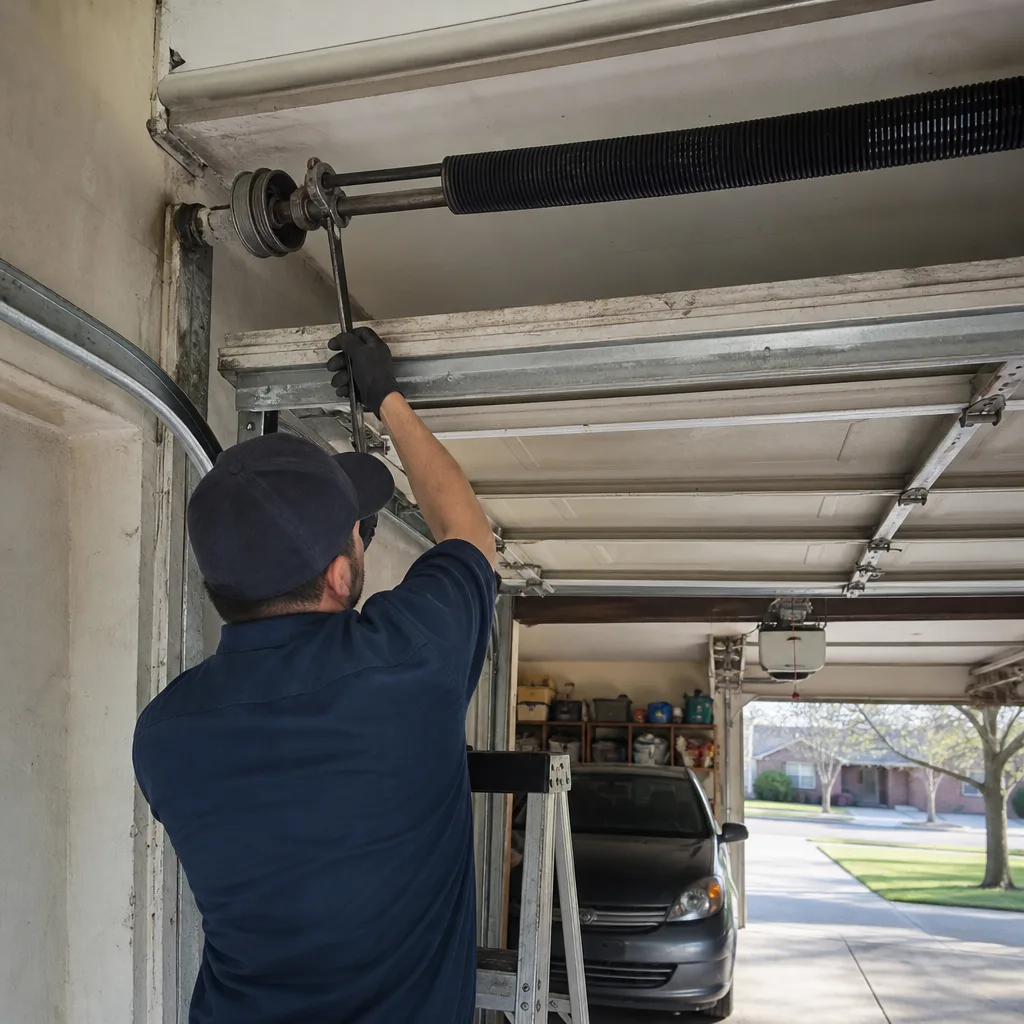 Before
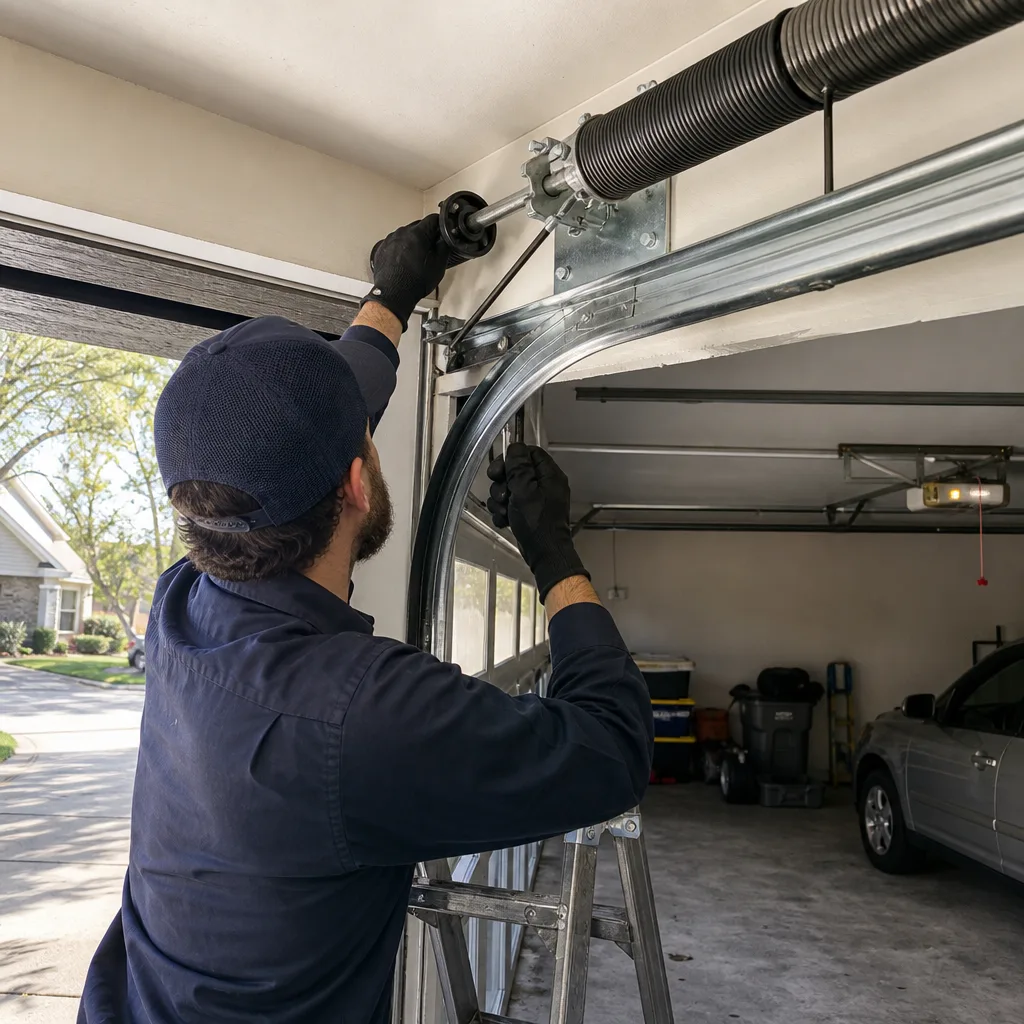 After
After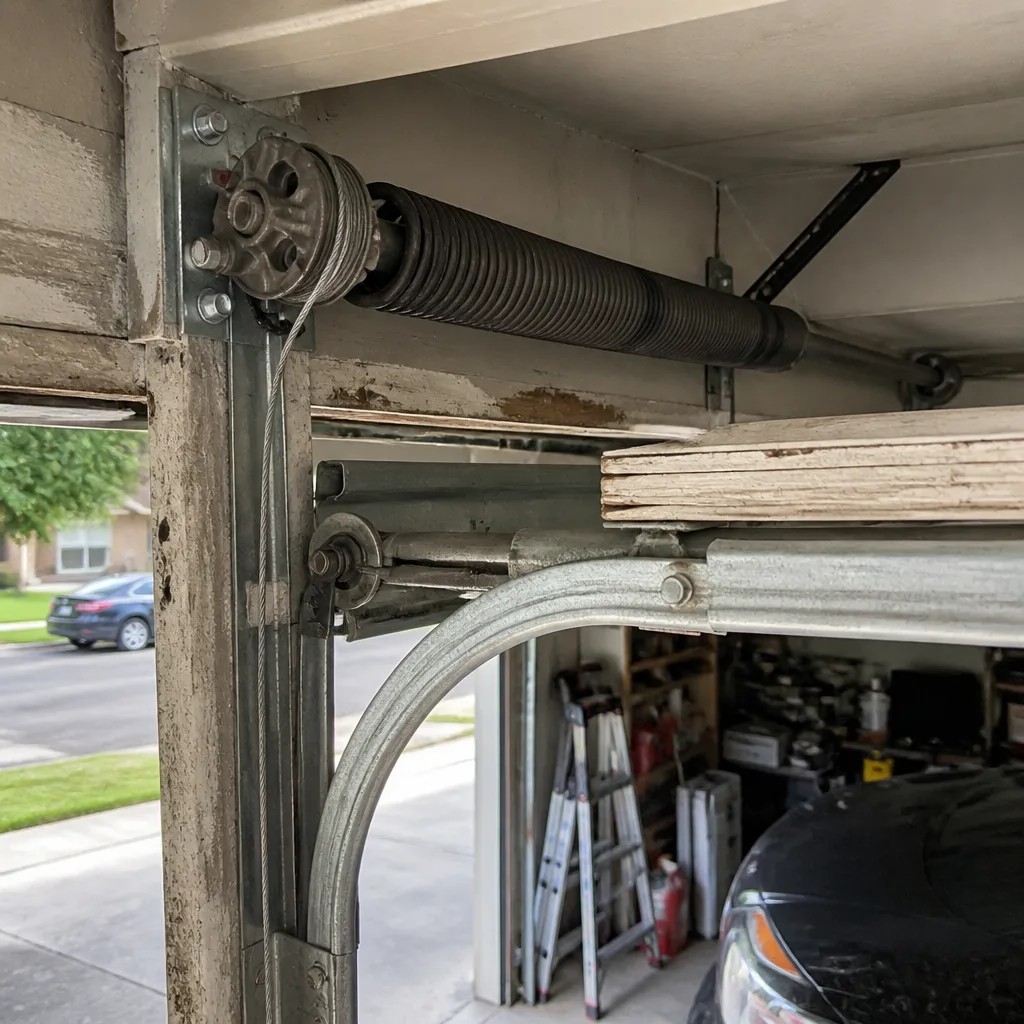 Before
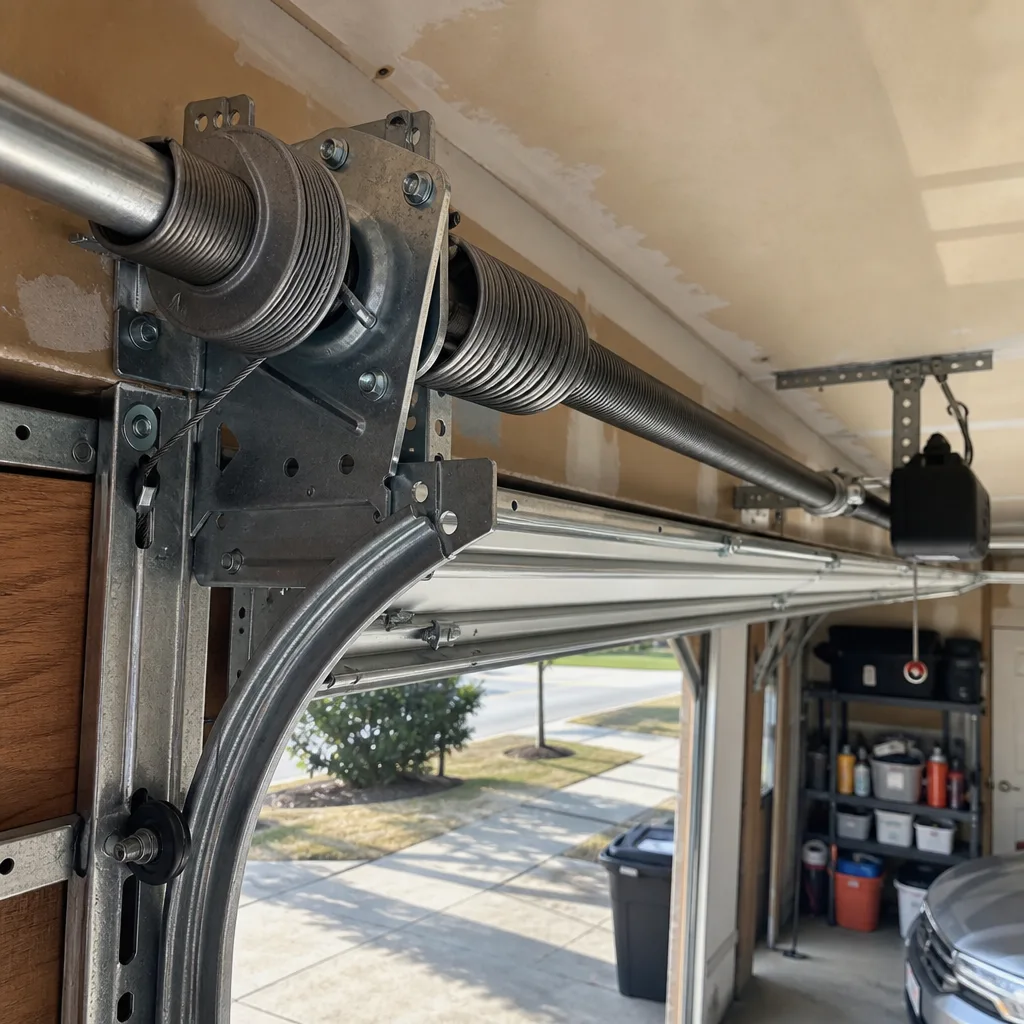 After
After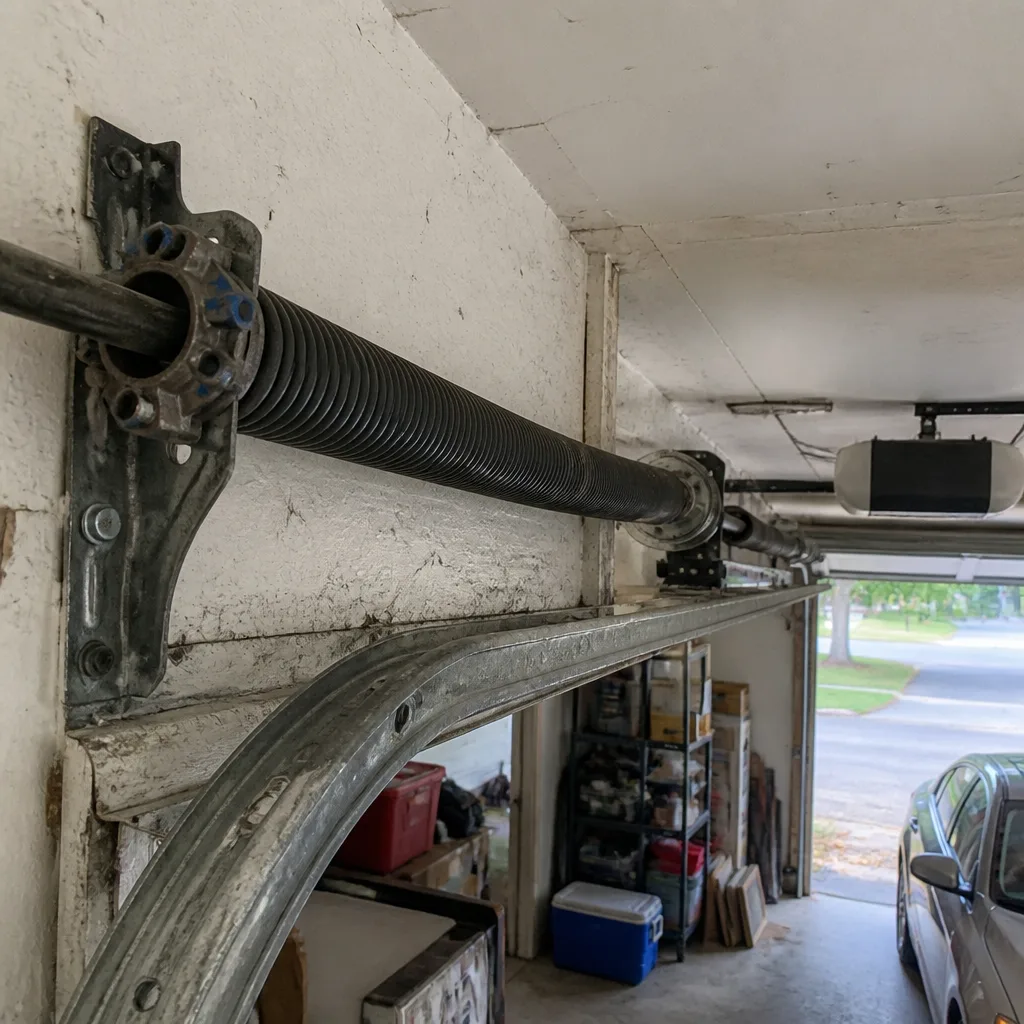 Before
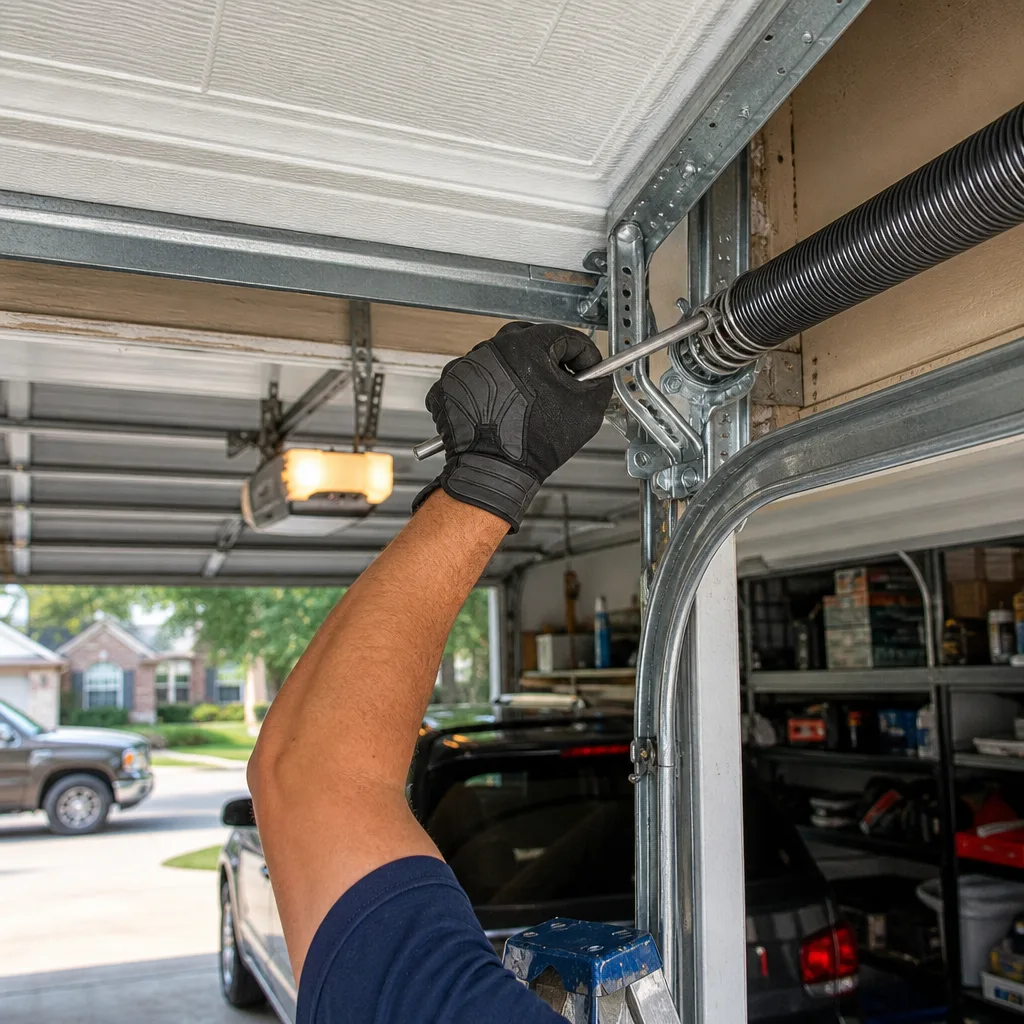 After
AfterGarage Door Cost Breakdown: The Plano Homeowner’s Reference for 2026
Otto has seen two nearly identical garage door jobs in the same Plano neighborhood quoted $400 apart. Same door size, same opener, same week. The cheaper quote wasn’t a better deal, it just left out the haul-away fee, the reinforcement strut, and the new weather seal. Those items showed up on the final invoice anyway. This guide puts real 2026 numbers on every component and service tier, so you walk into any quote with a working reference point instead of a guess, and you can check our Garage Door Warning Signs: A Plano Homeowner’s Reference Guide to spot trouble early. We’ll break down material costs, labor reality in Collin County, parts markup, and what a cheap door actually costs you over ten years.
Quick Answer
A standard double-car garage door replacement in Plano in 2026 runs $1,400 to $2,800 installed, including materials, labor, haul-away, and new hardware. A single-car door runs $900 to $1,700. The spread comes from door material tier, insulation level, hardware grade, and whether the job is a simple swap or requires structural work. Most Plano homes with standard 16×7 openings should budget $1,600 to $2,200 for a mid-grade insulated steel door that will last 15 to 20 years without major repairs.
Table of Contents
- What You Actually Get at the $800, $1,400, and $2,200 Price Points
- Labor Cost Reality: What Installation Actually Costs in Collin County
- The Parts Markup Question: Wholesale vs. Fair Retail
- The Total Cost of Cheap: Builder-Grade vs. Mid-Grade Over Ten Years
- What Financing Actually Costs on a Garage Door Job
- Common Mistakes to Avoid
- When to Call a Professional
- Frequently Asked Questions
What You Actually Get at the $800, $1,400, and $2,200 Price Points
Garage door pricing in Plano genuinely is all over the map, and the reason homeowners get surprised isn’t that contractors hide costs. It’s that most quotes lump everything together so you can’t tell what you’re actually paying for. Here’s the breakdown for a standard 16×7 double-car door, which is what most homes in Plano, Parker, Murphy, and Wylie have, and for a full Garage Door Repair Maintenance Checklist for Plano Homeowners see our dedicated guide.
The $800 door is a non-insulated, single-layer steel door. Think 25 or 26 gauge steel with no foam core, no thermal break, and the cheapest rollers that come in the box. It dents when a basketball hits it. It sounds like a drum when the wind blows. It’s a 26-gauge skin over nothing. In a Plano summer, that door becomes a radiator. Your garage hits 110 degrees by noon, and that heat bleeds into any room above or beside the garage. This is the door builders put on new construction tracts because it meets code and nothing else. Installation at this tier runs $800 to $1,100 total, and you will replace rollers within three years and the door itself within ten.
The $1,400 door is a double-layer, polystyrene-insulated steel door. 25-gauge steel over a foam core, R-value around 6 to 9, nylon rollers, and a better hardware kit. Steel from Clopay or Amarr at this level holds up to normal weather and the occasional kid’s bike hitting it. It will not be quiet, but it won’t wake the house either. This is the workhorse tier, and it’s about 70% of what we install in Plano. In our experience, this is where the value lives. Installation total runs $1,300 to $1,600.
The $2,200 door is a triple-layer, polyurethane-insulated door with steel on both sides, R-value from 12 to 18, and a thermal break that actually stops heat transfer. Wayne Dalton and Amarr both make good units at this level. You get ball-bearing rollers, reinforced stiles, and a door that is genuinely quiet. For Plano homes with a bedroom or bonus room above the garage, a door at this tier makes a real difference in both energy bills and noise. Installation total runs $2,000 to $2,400. This is the tier where you stop thinking about the door for fifteen years.
One thing that never changes across tiers: the price you agree to is the price you pay. If a quote shows a door at $1,200 but won’t itemize hardware, haul-away, or labor, ask for the line items. A real quote has no mystery in it.
Labor Cost Reality: What Installation Actually Costs in Collin County
Installation labor for a standard garage door swap in Plano runs $300 to $500. For a full replacement that includes removing the old door, old track, old hardware, and hauling it all away, labor runs $500 to $800. This is the line item that confuses people because it varies based on four legitimate factors.
- Ceiling height. A standard 7-foot door with 8-foot ceilings is a two-hour job. A 12-foot ceiling that needs longer track, longer cables, and a different spring configuration is a four-hour job. Most Plano homes built in the 1990s and 2000s have 8- or 9-foot ceilings, but a fair number of custom homes in Willow Bend and Kings Ridge have 10- and 12-foot ceilings that add real labor time.
- Old hardware removal. Some jobs are a clean swap. Others have 20-year-old track bolted into termite-damaged wood or spring plates rusted to the header. If the crew has to cut bolts, reinforce the header, or shim framing, that’s extra time and it should be quoted in advance, not discovered mid-job.
- Haul-away. In Collin County, you can’t leave an old garage door at the curb with the regular trash. The company has to take it to a scrap yard or a dump, and most cities charge disposal fees. This is a legitimate $50 to $100 line item, and it should be on the quote before you sign. If it’s not, you’ll see it on the invoice.
- Spring configuration. A standard torsion spring setup is straightforward. If the old door was converted from extension springs or the spring pad needs repair, the labor time goes up. This is not padded billing. It is the difference between a door that balances and one that fights you.
In our experience, a competent two-person crew swapping a standard door in Plano takes four to five hours from roll-up to final spring check. Anyone quoting you $99 for installation is not paying their crew enough to care about your door.
The Parts Markup Question: Wholesale vs. Fair Retail
Every garage door company marks up parts. That’s not a secret and it’s not a scam. The question is whether the markup is fair. Here’s the math Otto runs on every job, and it’s the same math you can run at home before you sign anything.
Torsion springs wholesale for $40 to $80 per spring at contractor volume, depending on wire size and cycle rating. A fair retail price in Plano is $150 to $250 per spring installed, including the labor to wind and balance them. Anyone quoting $80 installed is either using the cheapest spring on the shelf, which will fail in two years, or they’ll make it up somewhere else. Anyone quoting $400 per spring is taking advantage. A door is 200 pounds riding on two springs. Respect it.
Cables wholesale for $8 to $15 per set. Fair installed price is $40 to $80 per set. Rollers wholesale for $2 to $5 per nylon roller. Fair installed price is $15 to $25 per roller. Openers from LiftMaster or Chamberlain wholesale for $180 to $350 depending on the model and features. Fair installed price is $400 to $650, which includes the labor, the rail assembly, the safety sensor alignment, and the programming. Genie openers run in the same band.
The red flag to look for is when the parts line is a single number with no breakdown. A quote that says “Parts: $900” tells you nothing. A quote that says “Springs $380, cables $80, rollers $120, weather seal $45” tells you exactly what you’re paying for, and you can compare it against these numbers in thirty seconds. We’ve always believed that transparency is the best sales tool a local business has, because your neighbor is going to ask what you paid, and Otto would rather that conversation confirm the number than contradict it.
The Total Cost of Cheap: Builder-Grade vs. Mid-Grade Over Ten Years
A $750 builder-grade door installed in 2026 will not be the last garage door you buy. Here’s the ten-year math we run for Plano homeowners who ask whether the savings are worth it.
The $750 door comes with non-insulated steel, unsealed edges, generic rollers, and a spring rated for about 10,000 cycles. That’s seven years at four open-close cycles per day, which is normal for a two-car household where both people commute. In Plano’s heat, the steel expands and contracts constantly, which means the door flexes, the panels start to separate at the seams, and the rollers eat through the hinges faster than they should. Here’s what you’ll likely spend in ten years:
- Year 3: Roller replacement, $120 to $180.
- Year 4-5: Spring replacement, $300 to $400.
- Year 6: Panel dent repair or panel replacement from normal wear, $200 to $400.
- Year 7-8: Spring failure again, $300 to $400.
- Year 9-10: Door replacement because the seams have separated and the door no longer seals, $900 to $1,200.
That’s $1,800 to $2,600 in repairs and replacement over a decade, on top of the original $750. The $1,400 mid-grade door with a 20,000-cycle spring, insulated panels, and nylon rollers will likely need one spring replacement in year eight, at $300 to $400. That’s it. The cheap door costs more by year five. The only reason builder-grade doors exist is because the builder doesn’t have to live with them.
There’s another angle people miss: energy. A non-insulated door in a Plano summer lets enough heat in that an air-conditioned garage or a room above it works measurably harder. That’s real money on the electric bill, month after month, that never shows up on the garage door quote. A mid-grade insulated door pays you back in comfort and utility costs even before you count the avoided repairs.
What Financing Actually Costs on a Garage Door Job
Most garage door companies offer financing through a third-party lender, and almost nobody runs the real APR math before they sign. Here’s the actual cost of a $2,000 door job under the three most common financing structures.
Deferred-interest plans are the most common. The pitch is “no interest for 12 months.” Here’s the catch: the interest is deferred, not waived. If you pay the full $2,000 within 12 months, you pay $2,000. If you miss that deadline by one day, the interest is retroactively applied from the original purchase date at 28% to 30% APR, which means you owe roughly $2,500 to $2,600 on day 366. More than half of homeowners don’t pay it off in time, and the lender knows that when they offer the plan. If you take a deferred-interest plan, treat the payoff date like a mortgage payment. Set the autopay and set it aggressively.
Fixed-rate installment loans through a home improvement lender usually run 12% to 20% APR for qualified borrowers with good credit. On $2,000 over 24 months at 15%, you pay $97 per month and about $327 in total interest. That’s a real cost, but it’s transparent. You can see the full amount before you sign. We tell homeowners to compare that against opening a 0% APR credit card and paying it off in the promotional window, which often beats the installer’s financing on small jobs like this.
Pay-over-time BNPL products at the checkout run 10% to 30% APR depending on your credit and the repayment term. They’re convenient, but the rates are almost always higher than a fixed-rate home improvement loan.
The honest advice from someone who has watched hundreds of Plano homeowners sign these documents: run the total-interest number in dollars, not the monthly payment. A $50 difference in monthly payment can mean $400 more in total cost. And never finance a door through a lender that doesn’t show you the APR in writing before you sign. If they won’t show you the number, walk away.
Common Mistakes to Avoid
- Comparing quotes that don’t itemize the same things. One Plano quote at $1,500 might include haul-away, new hardware, and a spring with a 20,000-cycle rating. Another at $1,300 might include none of those. You’re not comparing apples to apples until you see the line items. Ask every company to break down the door, the hardware, the labor, and the haul-away separately.
- Buying the door before someone looks at the opening. A door ordered online for a 16×7 opening doesn’t fit a 15-foot-9-inch opening, and it doesn’t include the right spring for a 400-pound wood door. Measure in person, or have someone who knows what they’re looking at do it.
- Ignoring the spring spec. Two companies can quote a spring replacement at the same price. One uses a 10,000-cycle spring, the other uses a 20,000-cycle spring with a higher wire gauge. I count spring cycles the way you count tire miles, I will tell you what’s left on yours. Ask what cycle rating you’re getting.
- Replacing the opener before checking the door balance. If the opener is straining, the problem is almost never the opener. It’s a door that’s out of balance, a spring that’s lost tension, or rollers that are binding. Replacing the opener without fixing the door means the new opener burns out in three years.
- Not asking about the weather seal. The bottom seal is a $40 part that keeps rain, bugs, and hot air out. A door replacement that doesn’t include a new seal means you’re paying for a new door with an old leak. In Plano’s spring storms and summer heat, that seal earns its keep every week.
- Signing a quote without a written guarantee. If the company can’t put their promise in writing, the promise doesn’t exist. Every Otto’s Garage Door job includes the 90-Day Done Right Promise in writing, on the invoice. Ninety days. One call brings Otto back, no runaround. If another outfit won’t put it in writing, ask why not.
When to Call a Professional
Some jobs are straightforward and some are not, and the line between them is usually obvious in the moment. A garage door weighs 150 to 400 pounds. The torsion springs that lift it are under enough tension to cause serious injury if they let go while you’re working on them. We don’t tell homeowners to replace their own springs, cables, or anything under tension. We tell them to call someone who does it every day and carries the parts on the truck.
If your door is off its tracks, if a spring has snapped, if a cable is frayed, if the door jerks or binds, or if you hear a grinding you can’t place, stop using the door and call. The door will not fix itself, and continuing to run it makes the fix more expensive. Otto’s Garage Door offers free estimates in Plano, call (945) 215-6820 and a live person answers. That’s Otto or one of his crew, not a call center, and they’ll quote the job on the phone and hold that number when they get there.
Frequently Asked Questions
A standard 16×7 double-car garage door replacement in Plano runs $1,400 to $2,800 installed, with most mid-grade doors landing around $1,600 to $2,200. A single-car door runs $900 to $1,700. The total depends on the door material tier, insulation level, spring cycle rating, and whether the job includes haul-away and structural repair. Call (945) 215-6820 for a free, itemized quote with no phone-to-driveway price change.
A complete quote should include the door panels, track, torsion springs, cables, rollers, hinges, weather seal, labor, and haul-away of the old door and hardware. If any of those line items are missing from a quote, they’ll probably show up on the invoice later. Otto’s Garage Door writes every quote with each component itemized so you know exactly what you’re paying for before work starts.
Springs are rated in cycles, not years. A standard 10,000-cycle spring lasts about seven years in a two-car household that opens and closes the door four times a day. A 20,000-cycle spring doubles that. Plano’s heat doesn’t directly kill springs, but it accelerates roller and seal wear, which makes the door work harder and shortens spring life. Ask what cycle rating you’re getting before you pay for a spring.
A standard door swap on an undamaged opening is a four-to-five-hour job, so if the parts are on hand it can happen same-day or next-day. A door with custom sizing, a high ceiling, or structural issues at the header takes longer. When you call (945) 215-6820, you’ll get a straight answer on timing for your specific opening, not a boilerplate estimate.
The difference is almost always in the details: haul-away fees, spring cycle rating, roller quality, weather seal, and labor. The cheaper quote that omits those items isn’t cheaper, it’s just incomplete. Ask both companies to list every line item, and the gap usually disappears, or it reveals exactly what one of them is leaving out.
No. Estimates are free, and there’s no trip charge inside the home county. You get a written number before any work starts, and that number does not change when the crew arrives. The price quoted on the phone is the price on the invoice, in writing, every time. Call (945) 215-6820 and ask for Otto.
The Bottom Line
A garage door in Plano is a real investment, and the numbers are knowable if someone takes the time to break them down. The door itself runs $800 to $2,400 depending on the tier, labor runs $300 to $800 depending on the conditions, and a fair parts markup is transparent and itemized, not hidden in a single line. The cheap door costs more by year five. The financing costs more than the monthly payment suggests. The best defense against all of it is a written, itemized quote from a local company with a real name on the invoice and a guarantee in writing, and you can find more guides & resources on our blog. That’s what Otto’s Garage Door has offered since 2004, and it’s what Otto will still be offering the next time he runs into you at the hardware store.
Written by Otto Reinhardt, Owner at Otto’s Garage Door, serving Plano since 2004.