
Last updated September 10, 2026
Full 25-point door and opener safety check with every visit - springs, cables, rollers, tracks, and your LiftMaster or Chamberlain opener included
You get a price before we start. It does not change when the truck arrives.
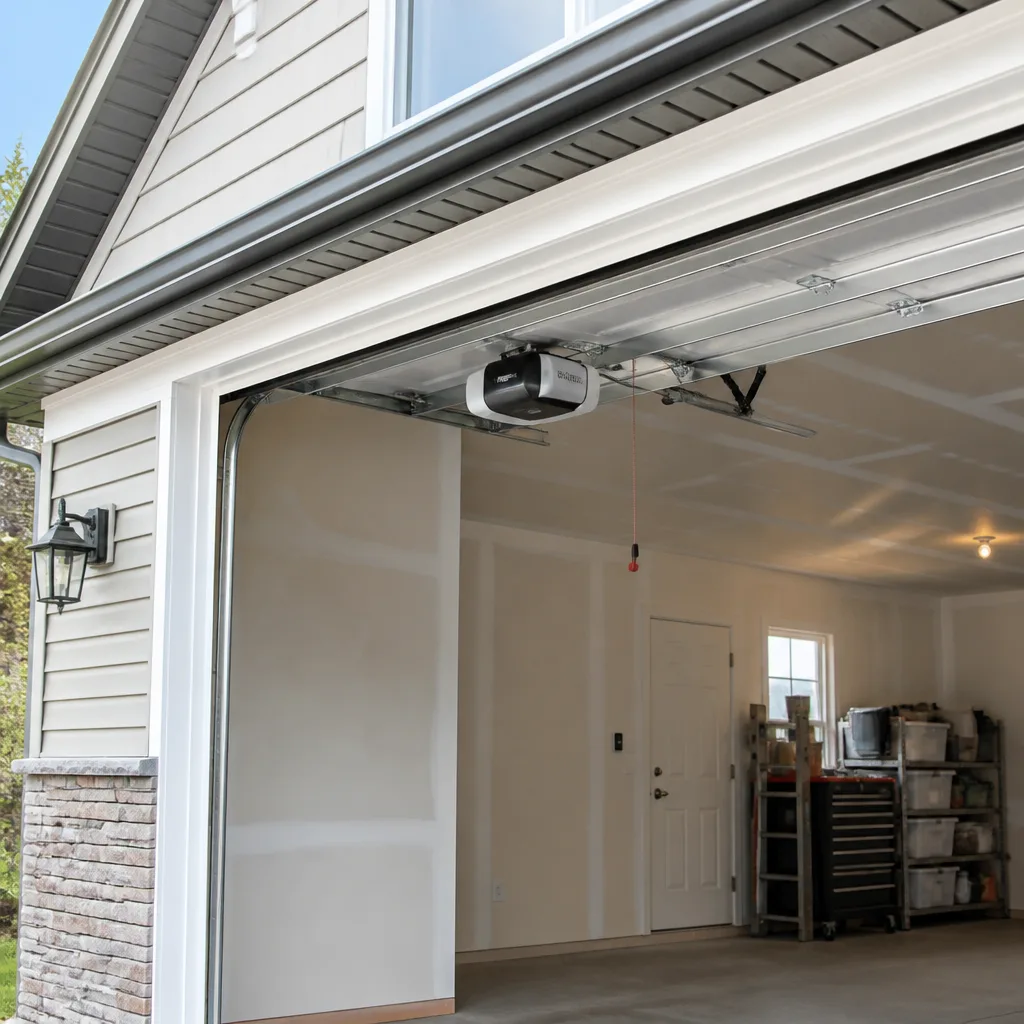
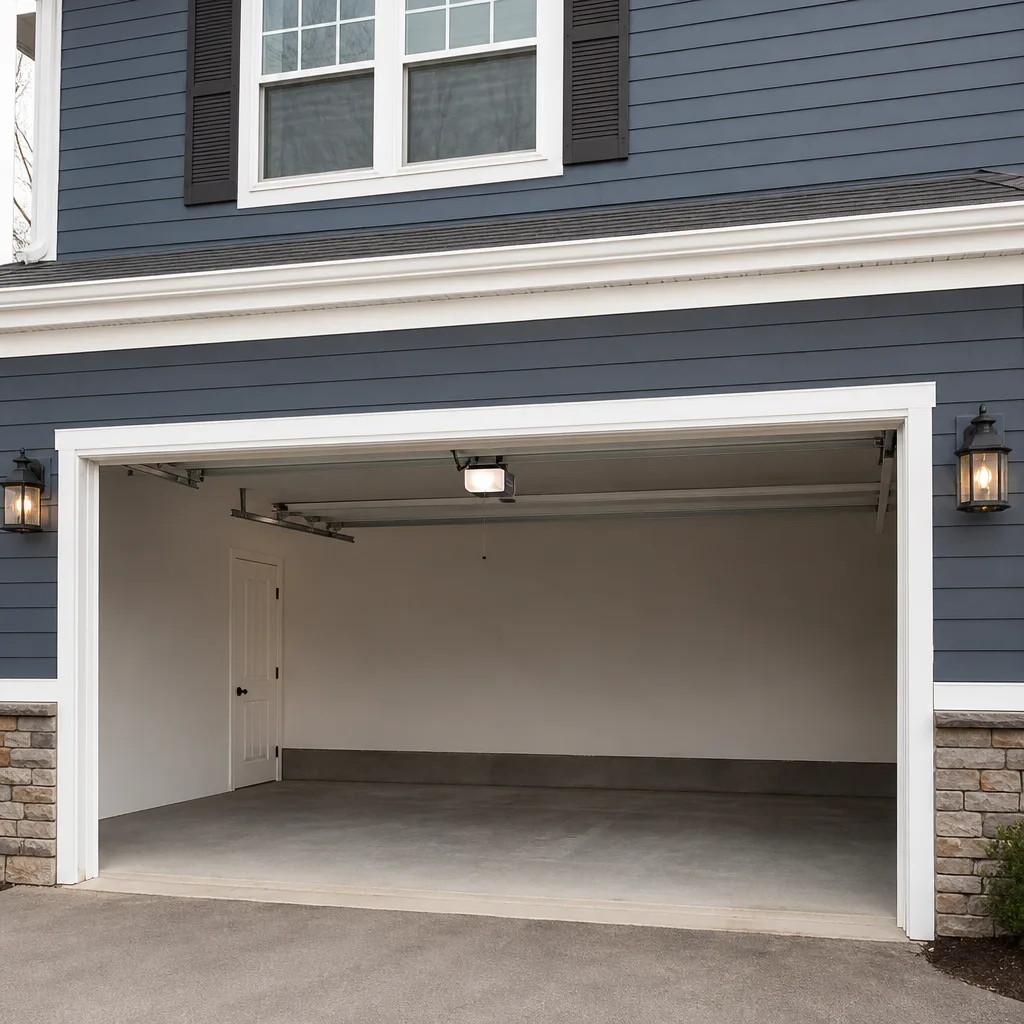
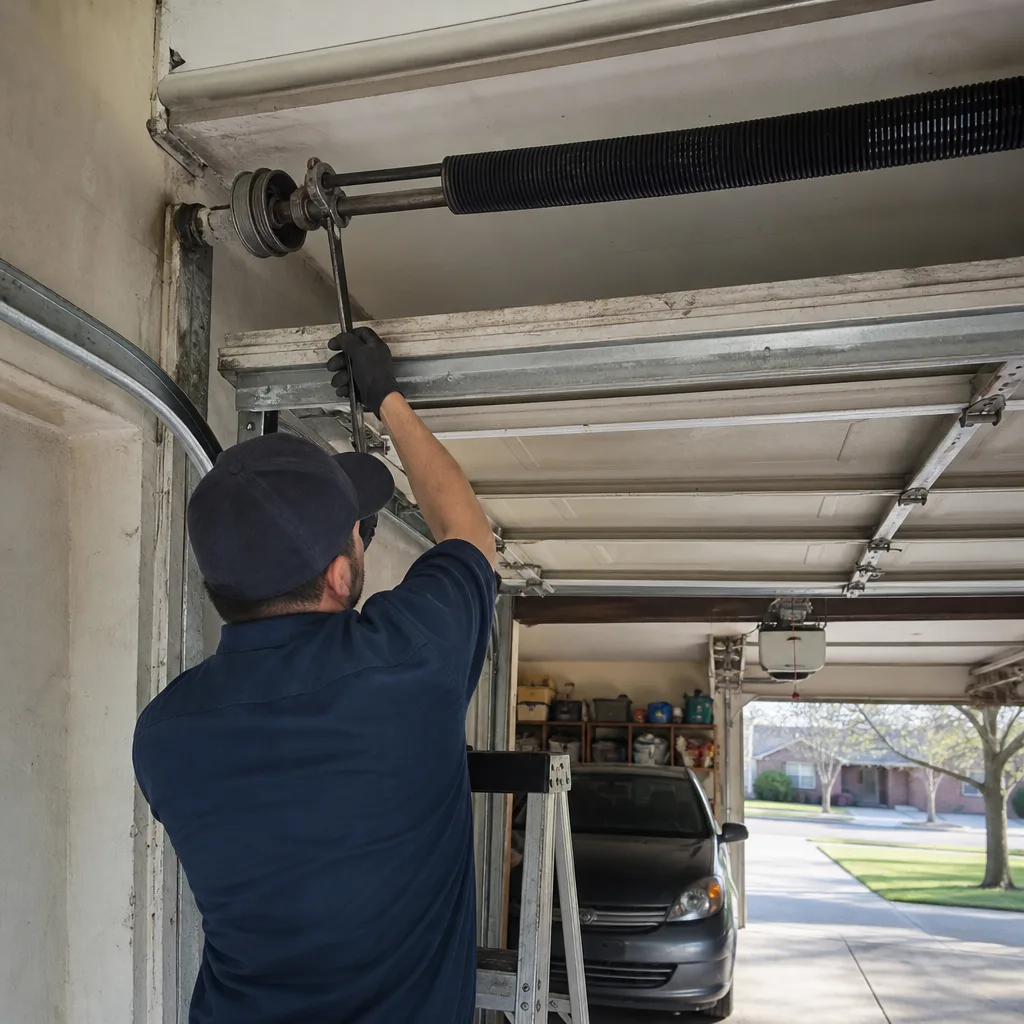 Before
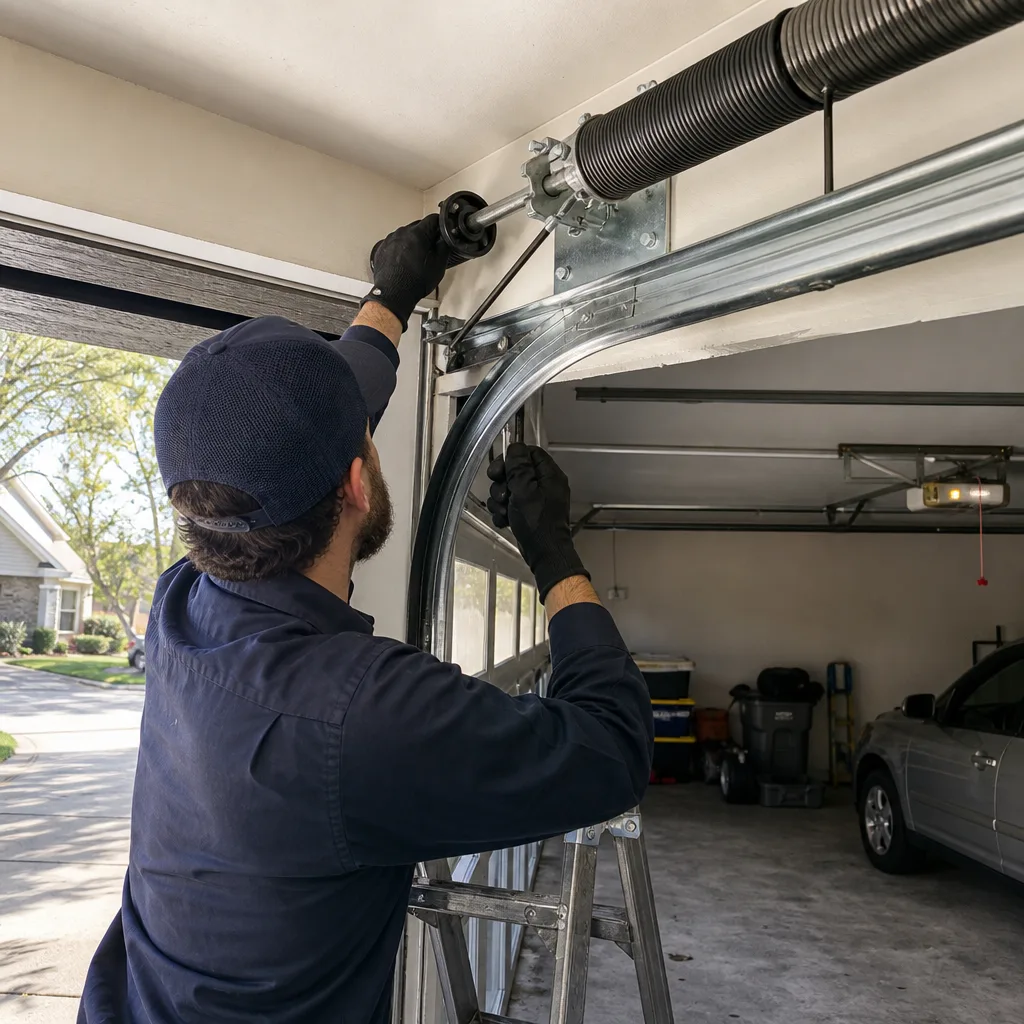 After
After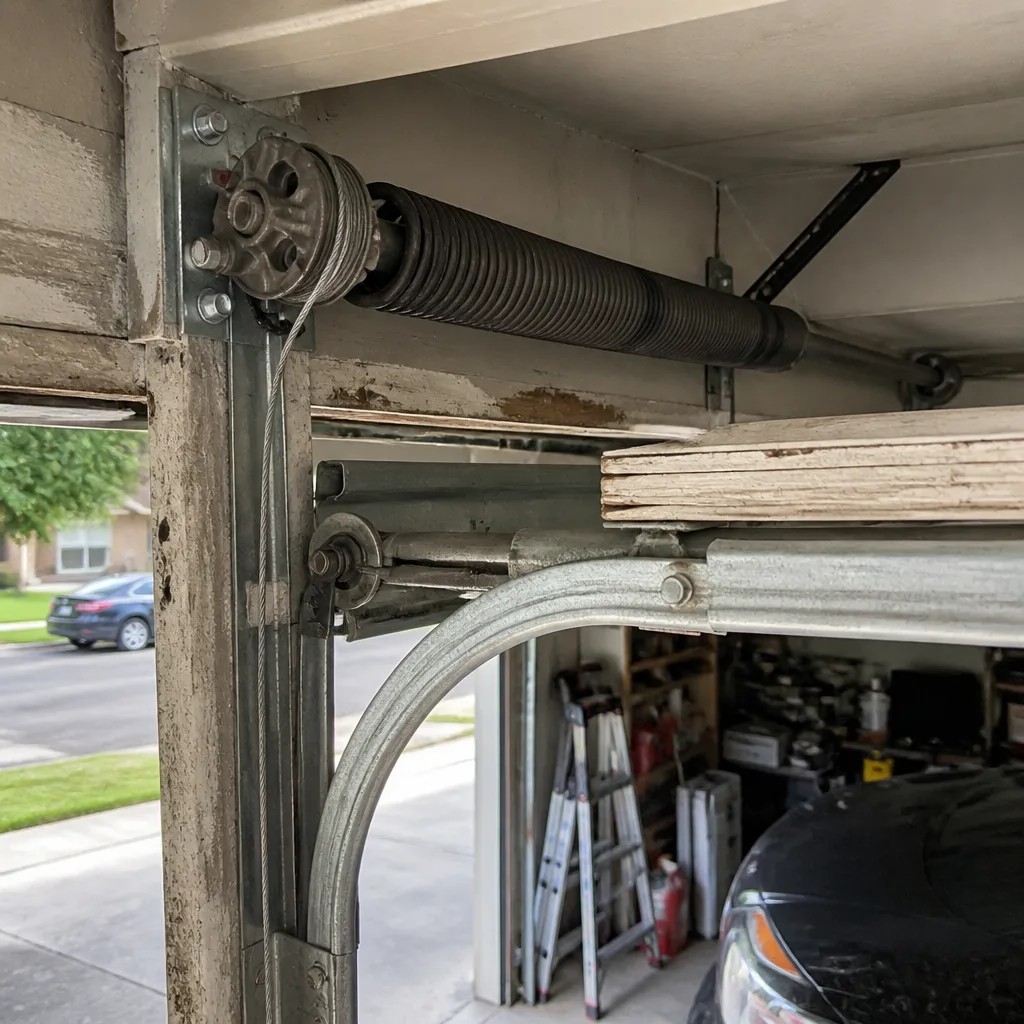 Before
 After
After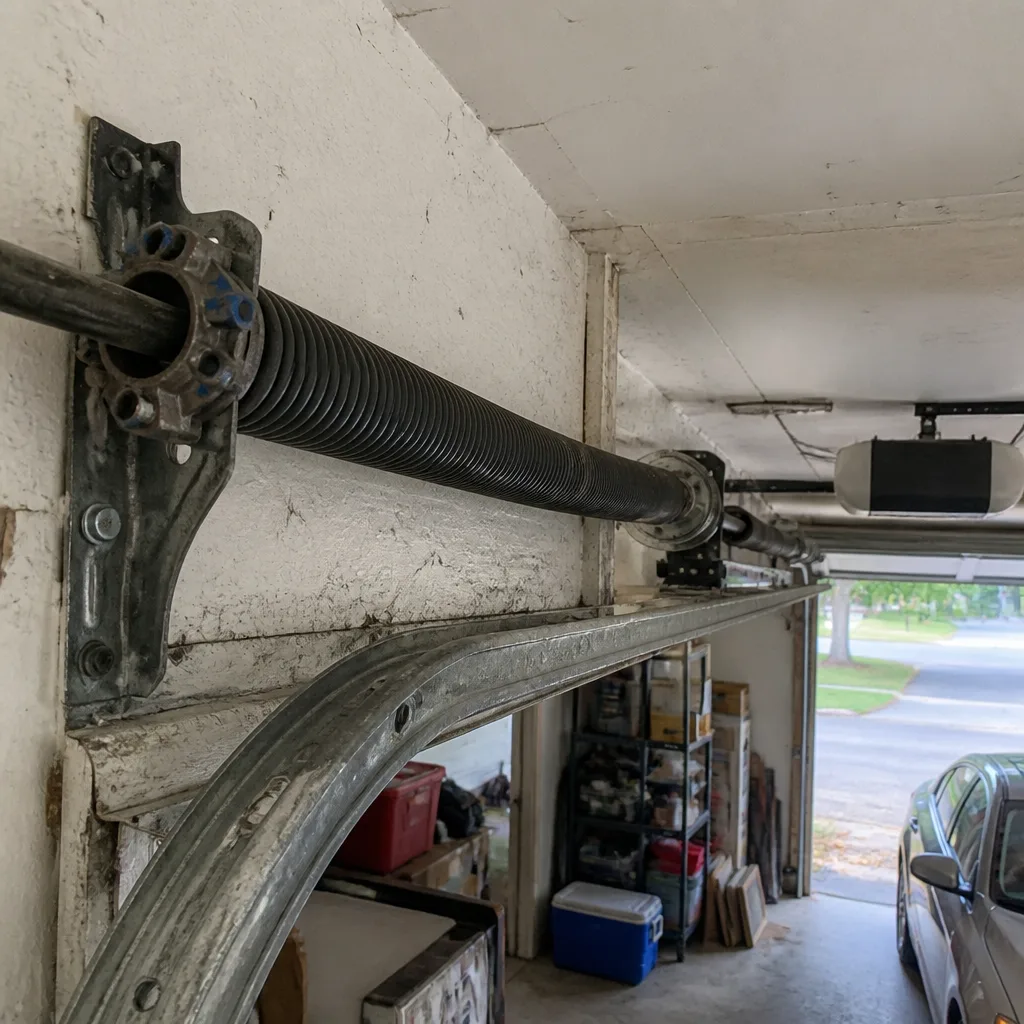 Before
 After
AfterDIY vs Professional Garage Door: The Plano Homeowner’s Decision Guide
Torsion spring replacement has a fatality rate that the Consumer Product Safety Commission has documented for decades. Not injuries. Fatalities. Most people don’t know that when they type “garage door spring DIY” into a search bar at 10 p.m. on a Sunday. This guide and our more guides & resources exist because the line between what a Plano homeowner should tackle and what should never leave a professional’s hands is very specific, very knowable, and deliberately blurred by most content online. By the time you finish reading, you’ll know exactly where that line sits for your situation, what each job actually costs in tools and risk, and how to get an honest quote without committing to anything.
Quick Answer
Most garage door maintenance in Plano can be done safely by a homeowner: weather seal replacement, sensor realignment, remote programming, and lubrication are all reasonable DIY jobs with basic tools, as detailed in our Garage Door Repair Maintenance Checklist for Plano Homeowners. Torsion spring replacement, cable work, track realignment after impact, and opener mounting on high-lift systems are not DIY jobs, ever, because the wrong move on any of them can hospitalize you or worse. For anything between those two lists, the honest answer is that it depends on your tool inventory, your comfort with tensioned metal, and how much your Saturday is worth to you.
Table of Contents
- The Safe-to-DIY List: Four Jobs Any Capable Plano Homeowner Can Handle
- The Do-Not-DIY List: Four Jobs That Have Put People in the ER
- The Tool Reality Check: What a Spring Job Actually Requires
- Why Plano’s Climate Changes the Equation
- How to Get a Professional Quote Without Committing to It
- The Hybrid Approach: What Otto Will Walk You Through for Free
- Common Mistakes to Avoid
- When to Call a Professional
- Frequently Asked Questions
The Safe-to-DIY List: Four Jobs Any Capable Plano Homeowner Can Handle
Some garage door work is genuinely safe for a homeowner with a step ladder, a socket set, and average hand strength. These four jobs are the ones we tell our own neighbors to go ahead and do, because calling a professional for them is like calling an electrician to change a light bulb. The parts cost less than $40 total at any Plano hardware store, and none of them involve tensioned steel.
1. Weather Seal Replacement
The rubber strip along the bottom of your garage door rots in Texas heat within three to five years. When you see daylight under the closed door, or when leaves and dirt blow in from the alley, the seal has failed. Replacement takes about twenty minutes. Pull the old seal out of the aluminum retainer channel, clean the channel with a rag, and slide the new T-shaped or bead-shaped seal in from one end. You’ll need a utility knife to trim the excess and a pair of pliers to help work it through if it binds. The seal itself runs $12 to $25 in Plano depending on door width. This is the single most cost-effective DIY job on the entire door, and it pays for itself in lower cooling bills come August.
2. Sensor Alignment
When your opener’s lights flash and the door refuses to close, the photo eye sensors on either side of the door track have usually been knocked out of alignment by a trash can, a kid’s bike, or a mower handle. The fix is simple: loosen the wing nut holding each sensor in place, adjust until the indicator LED on each unit glows steady, and retighten. If both lights are steady and the door still won’t close, check for a spider web across the lens or a wire chewed by a Plano rat. Those are still within most homeowners’ reach since the parts carry line voltage, not high tension. If the sensor itself is dead, replacement units cost $20 to $35 and screw into place with two fasteners.
3. Remote Programming
Every major brand does this a little differently, but the core process is universal: locate the learn button on the opener motor head, press it, and then press the button on your remote within thirty seconds. On newer LiftMaster and Chamberlain units, the button is yellow and lives behind the light lens. On Genie units, it’s on the back of the motor head and may need a code sequence typed in. Plano homeowners lose remotes to couches and glove boxes all the time, and we’d rather save you the service call than charge you to push a button. The one caveat: if your opener is pre-1993 and lacks rolling code technology, replacing it is a more involved job that belongs on the professional list.
4. Basic Lubrication
A quiet garage door is a slippery garage door. Every six months, spray the rollers, hinges, and the torsion spring itself with a white lithium or silicone spray, not WD-40 which washes out the good grease. Wipe off the excess with a rag. The entire job takes fifteen minutes and a can of lubricant costs $8 at any Plano auto parts store. What it does is extend the life of your rollers and springs by years, which matters here because Plano’s dry summers bake the factory grease out of everything. A door that starts to sound like a dying cat every morning is usually a dry door, and that’s on you to fix before the noise becomes a worn-out part.
These four jobs cover most of what a homeowner calls about when the door works but something feels off. They’re low-risk, low-tool, and fully reversible if you do one wrong. The next list is the opposite of that in every way.
The Do-Not-DIY List: Four Jobs That Have Put People in the ER
Every one of the jobs below involves a component under active tension or a structural load that can kill you. That’s not overstatement. The CPSC’s injury statistics on garage door systems are specific and grim: torsion springs, cables under load, and falling door sections have caused deaths and life-altering injuries year after year. In our experience as a Garage Door Repair in Plano shop, most of those injuries come from homeowners who watched a video, bought the wrong tools, and didn’t realize the spring was about to unload on them.
Torsion Spring Replacement
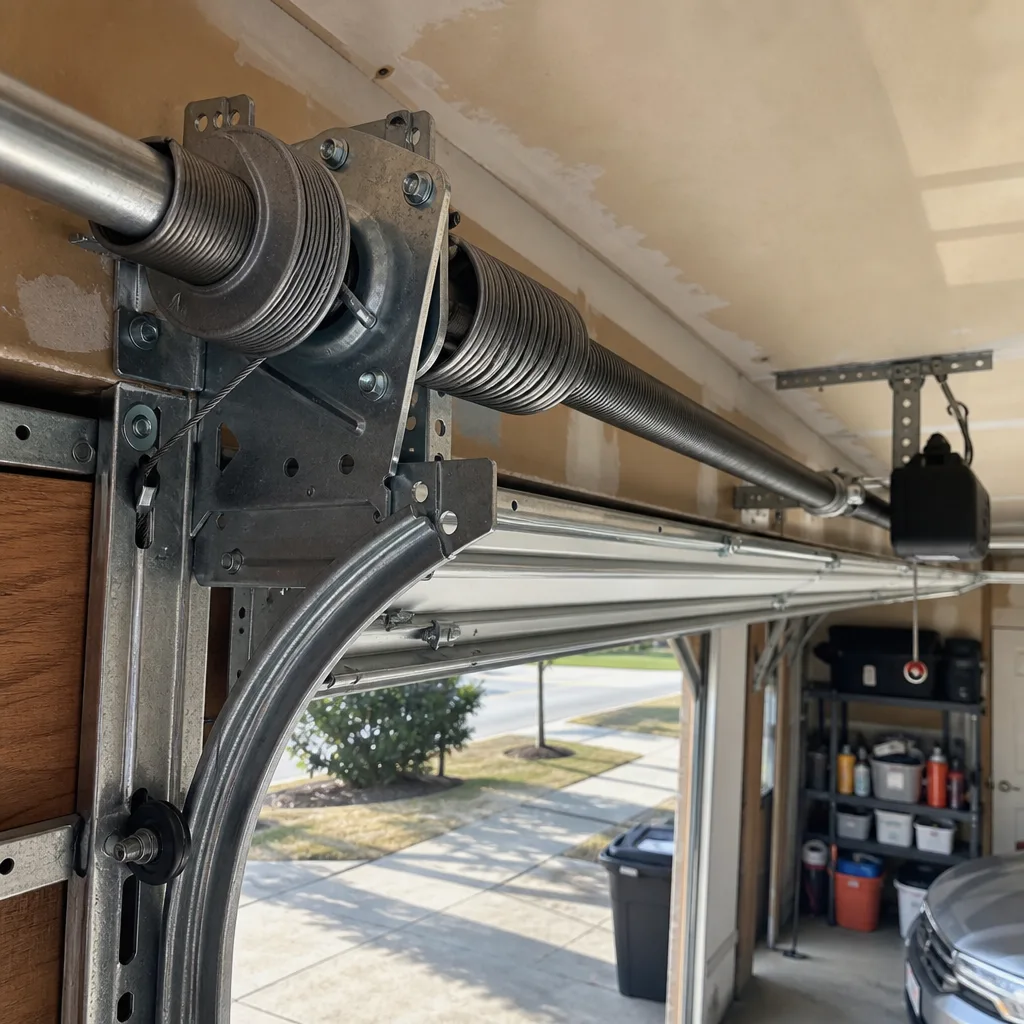
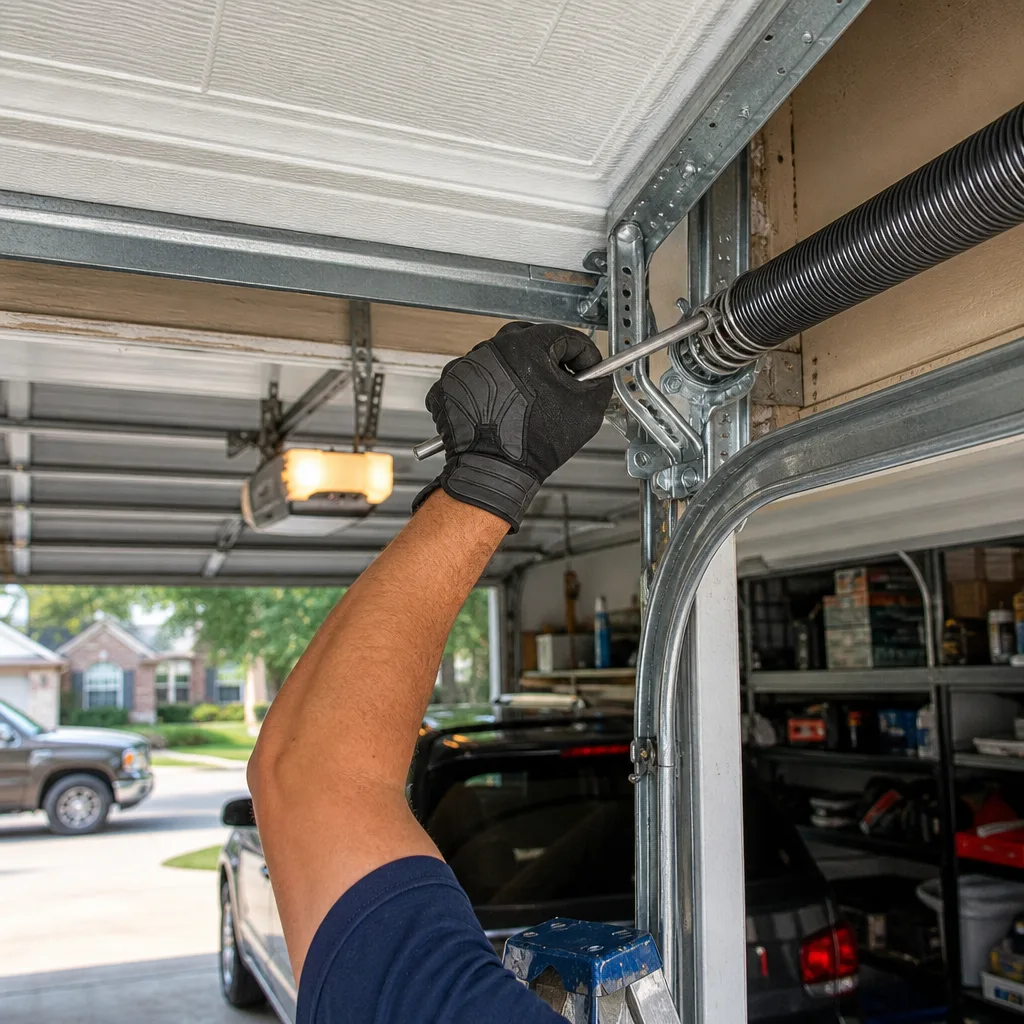
The torsion spring is the steel coil above your closed door that stores the mechanical energy to lift your door’s full weight, often 150 to 400 pounds depending on the door. When it breaks, it releases that energy instantly and sometimes violently. Replacing one requires winding bars sized exactly to the spring cone, a full understanding of spring cycle math, and a specific sequence of winding and unwinding that must be done in the exact right order. A slip at the wrong moment means a solid steel bar driven through whatever is in its path. We carry the bars, the training, and the experience, and we still treat every spring with the respect it earned. This job is not a cost-benefit question. It’s a why-would-you question. Otto’s own words sum it up: a door is 200 pounds riding on two springs. Respect it.
Cable Replacement
The lift cables run from the bottom bracket on each side of the door up to the drum at the top of the torsion bar. They carry the entire door’s weight when it moves, and they live under enormous tension even with the door open. When a cable frays, snaps, or jumps off the drum, the door can drop like a guillotine. Replacing a cable means loosening the spring tension enough to safely move the door by hand, which means you are now doing spring work, which means you’re back in the do-not-DIY category. Most cable jobs fail because the homeowner didn’t release spring tension first and the door slammed down the moment the bottom bracket came off the track.
Track Realignment After Impact
Plano homeowners back into their own garage doors more often than they’d admit in polite company. The door bends, the track bows, and suddenly the door won’t move past the halfway point. The temptation is to grab a pry bar and start straightening. The problem is that a bent track is usually a symptom, not the whole story: the panel itself is warped, the hinges are twisted, and the spring tension is now pulling unevenly. Straightening a track while the door is still connected to tensioned springs is a fast way to have the whole assembly come down on top of you. A proper fix requires disconnecting the opener, releasing spring tension, checking every roller and hinge, and then rebuilding the track in straight sections. It’s a structural repair, not a hammer-and-brace job.
Opener Mounting on High-Lift Systems
High-lift garage door systems, common in newer Plano homes with high ceilings or car lifts, route the door up close to the ceiling before it travels horizontally. Mounting an opener on a high-lift system is not the same as mounting one on a standard 7-foot door. The opener rail has to be lifted and supported differently, the drum setup is different, and getting the travel limits wrong means the door tries to go where the tracks don’t. Most DIY opener installations on high-lift doors end with a bent rail, a stripped gear, or a door stuck in the open position when the limits were misconfigured. Standard low-clearance openers are more forgiving, but high-lift is a professional job every time.
The Tool Reality Check: What a Spring Job Actually Requires
The reason most DIY spring projects fail isn’t that the homeowner is unskilled. It’s that the job requires tools and knowledge that most garages don’t have, and the cost of acquiring them correctly equals or exceeds the cost of hiring a professional. Here’s an honest inventory-alongside our Garage Door Cost Breakdown: The Plano Homeowner’s Reference for 2026-of what a proper torsion spring replacement in Plano actually takes.
Tools You’ll Need
- Winding bars: Two solid steel bars, sized exactly to the spring’s winding cone. They cost $20 to $40 for a proper set, and they have to fit your specific spring diameter. Use a screwdriver or a rod that doesn’t fit, and the bar will slip out and take your hand with it.
- Spring gauge and measurement: You need to know the wire size, inside diameter, length, and wind direction of the old spring. Get any of these wrong and the new spring won’t balance the door. A heavy door that flies up on its own is just as dangerous as one that won’t lift.
- Specialty socket set: The set screws on spring cones are usually 3/8 or 7/16, but some older Plano doors use 1/4 square heads. You’ll need a socket that seats fully in the cone without stripping it.
- Clamps or locking pliers: To hold the door in place while you work, at least two pairs rated for the weight of your door.
- Level, measuring tape, and marking pencil: For resetting the drums and confirming the door’s balance after the new spring is wound.
- A second person: Not optional for most door weights. Someone has to hold the door and watch the cables while you wind. Solo spring replacement is how most of the serious injuries happen.
Training You’ll Need
- Spring cycle math: Torsion springs are rated in cycles, and the wrong cycle count means the spring will fail again in a year or two. You need to know your door’s weight to the pound and match the spring accordingly.
- Winding sequence: The number of turns is specific to the door height and spring size. The sequence matters: half-turn increments, checking the door’s balance after each full turn, never exceeding the rated winding count.
- Drum and cable management: The lift cables must stay seated in the drums as you wind. If one slips off, the door binds and can shear the cable or bend the bar.
- Safety protocol: The winding bars must be inserted fully in the cone, your body positioned to the side of the bar’s rotation, and the set screws tightened between each winding increment. None of this is intuitive, and all of it is unforgiving.
Add it up: $60 to $100 in specialty tools, two to four hours of research before you touch anything, a helper who also needs to know what they’re doing, and a real chance of a spring flying free if the set screw doesn’t seat. Most homeowners in Plano, when they see the actual requirements, come to the same conclusion: the professional quote is the cheaper option. A professional spring replacement on a standard door runs $180 to $340 in the Plano market, including parts, and it takes under an hour. The DIY path saves you the labor charge, and you can decide what your time and your fingers are worth.
Why Plano’s Climate Changes the Equation
Plano is hard on garage doors in ways that other cities don’t have to think about. Understanding what our climate does to your door will help you make smarter decisions about maintenance, repair timing, and when to stop messing around and call for backup.
Heat and Spring Fatigue
Torsion springs fail from fatigue, not rust, and heat accelerates the process. A spring’s wire heats up on a July afternoon when the garage interior hits 110 degrees, and it cools down again at night. That daily thermal cycle, repeated across a Plano summer, is thousands of additional fatigue cycles on the wire. Springs that would last 10,000 cycles in a temperate climate often let go in 7,000 cycles here. We count spring cycles the way you count tire miles, and we’ll tell you what’s left on yours.
Humidity and Roller Wear
Plano’s swings between dry heat and Gulf humidity mean the garage door spends half the year sweating and half the year baking. Nylon rollers crack, steel rollers rust, and the bearing surfaces dry out. The six-month lubrication schedule isn’t optional here; it’s the minimum to keep the door from grinding itself to dust on the track.
Foundation Shift and Door Alignment
North Texas soil is expansive clay, and Plano homes sit on it. When the ground swells after rain and contracts during drought, foundations shift a fraction of an inch. Over the course of a decade, that’s enough to pull the garage door tracks slightly out of square. A door that was perfectly balanced when the house was built may be binding today. That’s not a homeowner-fixable problem; it’s a professional adjustment covered under Garage Door Permits, Codes & Inspections in TX: What You Need to Know, and it’s worth doing before a binding door burns out a motor or snaps a cable.
None of this is an argument for ignoring your garage door until it breaks. It’s an argument for knowing what the Plano climate does to it and budgeting accordingly.
How to Get a Professional Quote Without Committing to It
The homeowner in Plano who’s been burned by a national outfit that quoted one number on the phone and billed another at the door knows the fear: the quote is a fishing expedition. Here’s how to get a real number, in writing, without giving up your wallet or your leverage.
What to Ask For
- Quote in writing, itemized: Ask for the line items: parts, labor, and any markup on the parts. If the company won’t put it in writing, you already have your answer about how honest the final bill will be.
- The exact brand and model of the part going on your door: A “$40 torsion spring” that is actually a 90-pound spring on a 300-pound door is not a bargain. It’s a future injury. Ask what cycle count the spring is rated for.
- Confirmation that the price holds at the door: Ask directly: “Does this number change when your tech sees the door?” If there’s any hedging, you’re about to get upsold. We quote the job on the call and we hold the number when we get there. No fine print.
- Warranty terms: What happens if the same spring breaks in 60 days? In 90? At Otto’s, the 90-Day Done Right Promise is written on every invoice: if it’s not done right, we make it right, one call to the owner himself. You should expect at least a 90-day labor warranty from any shop.
- The total time on site: This tells you whether the quote is honest. A standard torsion spring replacement takes under an hour for a trained professional. If a company quotes four hours for that job, they’re either inflating the labor or sending someone who’s learning on your door.
What You Should NOT Need to Do
You should never have to pay for an estimate. A free estimate is standard in this industry, and any company that wants $49 up front for the privilege of looking at your door is charging you for their lead generation. You should also never agree to a repair on the spot if the quote feels wrong. A second opinion is cheap, and we offer one free, in writing, no trip charge inside the county. If a company pressures you with a “today-only” discount, walk. Honest shops don’t need to manufacture urgency; your broken spring is urgency enough.
The Hybrid Approach: What Otto Will Walk You Through for Free
There’s a middle path between “do it all yourself” and “pay someone for everything,” and it’s the one most Plano homeowners actually want. It looks like this: you handle the maintenance you’re comfortable with, the professional handles the tensioned and structural work, and you use the phone call as a free diagnostic tool.
Here’s what we’ll walk you through over the phone, no charge, on any call to Otto’s Garage Door home:
- Diagnosing why the door won’t close or open: Most of the time, the answer is a misaligned sensor, a dead remote battery, or a tripped breaker. We’ll talk you through checking those before we ever schedule a visit.
- Lubrication guidance: Where to spray, what to spray, and what to wipe off. This one’s free forever, because a lubricated door calls us less often.
- Weather seal replacement walk-through: If you’re holding the part and standing at the door, we’ll tell you which end to slide first and how to avoid pinching your fingers.
- Remote programming help: Give us the brand and model on the motor head and we’ll find the learn button with you.
Here’s what we won’t walk you through, and why: anything involving a torsion spring, a lift cable under tension, or a high-lift track. Not because we’re protecting profit, but because a phone call is not a substitute for the physical judgment that these jobs require. A sound on the phone cannot tell us if the spring’s set screw is seated properly. A verbal description cannot tell us if the door is balanced. On those jobs, the responsible answer is: this is not a phone job, and here’s what it will cost to send Otto. That’s not an upsell. That’s the line between what’s safely walkable and what isn’t.
The hybrid approach also applies to bigger jobs like a full replacement. You can measure your existing door, understand what a Garage Door Installation in Plano from us includes, and then compare that against a DIY install. A new 16×7 steel door from a box store runs $800 to $1,600 without hardware, springs, tracks, or labor. A professional install includes all of that, plus disposal of the old door, plus warranty coverage, usually in the $1,800 to $3,500 range depending on door style and insulation. The gap isn’t as big as most people think once you add in the cost of getting the old door off your property and getting the new one balanced correctly.
Opener Systems: When DIY is a Maybe and When It’s a No
Garage door openers sit in a gray zone between the two lists. A standard belt-drive or chain-drive opener on a standard 7-foot door is a legitimate DIY project for a patient homeowner. A wall-mount jackshaft opener, or any opener on a high-lift system, is not.
Standard Opener Replacement: DIY Maybe
If you’re replacing an existing opener with a new unit of the same type, the mounting brackets, wiring, and head assembly all line up in the same places. The job takes three to four hours for a first-timer, uses basic hand tools plus a step ladder, and the new opener’s manual includes the programming sequence. Chamberlain and Genie make the process reasonably accessible with color-coded connections and push-button setup. The risk is in the opener rail: getting the rail assembled straight and the travel limits set so the door doesn’t slam into the ground or try to push through the back wall. Most failures are adjustment problems, not safety problems, and they reveal themselves immediately.
Wall-Mount or High-Lift Opener: DIY No
A jackshaft opener mounts directly to the torsion bar and spins the spring shaft, not the door itself. On a high-lift system, it has to be installed after the drums and cables are set, and the travel limits have to be programmed to the door’s actual travel distance. Get it wrong and the opener will wind the spring until the cable snaps or the bar twists. We’ve seen Raynor and LiftMaster wall-mount units destroyed by DIY installations that looked fine until the door was halfway up. The parts are expensive enough that the savings from DIY don’t survive the first failure.
What most Plano homeowners don’t realize until they’re in the middle of it: Garage Door Opener in Plano replacement involves working overhead with both hands while standing on a ladder, which is a bad position to discover a stripped bolt or a missing bracket. If you have a bad shoulder or a healthy fear of ladders, pay someone. The labor charge is worth not spending four hours on a ladder wondering if the unit is square.
Common Mistakes to Avoid
- Using the wrong lubricant on the spring: WD-40 displaces water but doesn’t lubricate high-tension steel. It actually washes out the good grease and accelerates wear. Use white lithium or silicone, and wipe the springs dry afterward.
- Assuming a broken spring is a broken opener: If the motor runs but the door doesn’t move, or the door opens a few inches and stops, the problem is almost always a broken torsion spring, not the opener. Replacing a working opener because the spring failed is a $400 mistake Plano homeowners make every month.
- Buying a spring from a big box store and installing it on the wrong door: Torsion springs are sized to the door’s exact weight, not the opening’s width. A spring rated for the wrong weight will leave the door overpowered or underpowered, and both conditions are dangerous.
- Working on a door with the opener connected: Any work on rollers, cables, or springs starts with pulling the red release cord and disconnecting the opener. A door that opens automatically mid-repair is how pinched fingers and crushed hands happen.
- Ignoring a door that’s louder than it used to be: Noise is the earliest warning sign of a failing roller, hinge, or spring. Six months of ignoring a squeak often becomes a $250 repair that could have been a $30 fix.
- Using mismatched winding bars on a torsion spring: The bars must fit the cone exactly, with no slop. A loose bar will slip out under tension and the spring will unwind violently. The bars are $20. Reconstructive hand surgery is not.
When to Call a Professional
Call a professional when the job involves tensioned steel, a door that weighs more than you can lift, or a structural problem with the tracks. That includes broken torsion springs, snapped cables, doors that came off the tracks after an impact, openers on high-lift systems, and any repair where the door won’t stay put when you disconnect the opener. If you’re unsure, call and ask. A live person answers 24/7, often Otto himself, and the diagnostic call is free even at nine at night. Otto’s Garage Door offers free estimates in Plano, no trip charge inside the county, and the price quoted on the phone is the price you pay when the truck arrives. Call (945) 215-6820.
Frequently Asked Questions
Torsion spring replacement in Plano typically runs $180 to $340 depending on the spring size and whether it’s a single or double spring system. The parts cost $50 to $100 and the labor covers the safe winding and balancing that takes a professional under an hour. Get a written itemized quote before agreeing; Otto’s quotes the job on the phone and holds that price at the door. Call (945) 215-6820 for a free estimate.
Yes, weather seal replacement is one of the safest and easiest DIY jobs on a garage door, taking about twenty minutes with a utility knife and a pair of pliers. The seal costs $12 to $25 at any Plano hardware store, and you just slide the old one out of the retainer channel and work the new one in from one end. If the retainer itself is bent or rusted through, that’s a different job that may need a pro.
No, torsion spring replacement has a documented fatality record from the CPSC and the YouTube videos that show it being done safely are almost always filmed by professionals with proper winding bars and a decade of experience. The spring stores enough energy to kill you if released wrong, and the margin for error is measured in degrees of bar rotation. This is the one job where DIY genuinely is not a cost-benefit question.
Most torsion springs are rated for 10,000 cycles, which in a typical Plano household translates to seven to ten years of use, but our heat and humidity swings can shorten that to five to seven years. Springs fail from metal fatigue, not rust, and Plano’s daily temperature swings add extra fatigue cycles to every spring. Otto counts spring cycles the way you count tire miles, and he’ll tell you what’s left on yours.
The most common mistake is assuming a dead opener is the problem when the real issue is a broken torsion spring. The motor runs, the door won’t move, and the homeowner replaces a $400 opener instead of a $200 spring. The second most common mistake is lubricating the spring with WD-40, which washes out the good grease and makes the spring fail sooner.
Yes, Otto’s Garage Door offers free estimates on all repair and Garage Door Installation in Plano jobs, and the price quoted on the phone is the price you pay when the truck arrives. We also offer a free second opinion on any written estimate, no trip charge inside the county, and a permanent 10% senior and veteran discount on every job. Call (945) 215-6820 for the exact price on your door.
The Bottom Line
The line between DIY and professional garage door work in Plano comes down to tension and weight, not skill and will. Weather seals, sensor alignment, remote programming, and lubrication are jobs a homeowner can and should handle. Torsion springs, lift cables, track realignment after impact, and opener mounting on high-lift systems are jobs that require training, specialized tools, and respect for the stored energy in the system. For everything in between, get a written quote, compare it honestly against the cost of your own tools and time, and make the call with open eyes. Otto’s Garage Door has been serving Plano since 2004, and when you call, you get Otto or someone he trained, not a call center. The number is (945) 215-6820.
Written by Otto Reinhardt, Owner at Otto’s Garage Door, serving Plano since 2004.